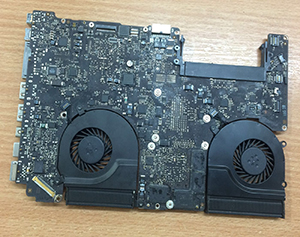
Experiencing liquid damage on a MacBook can be distressing, especially given the device’s importance. Whether it’s a spilled coffee or an accidental water splash, liquid exposure can lead to severe damage if not addressed promptly. This article outlines effective strategies to remedy liquid damage, ensuring the longevity and functionality of a MacBook. The solutions presented here are informed by industry expertise and advanced repair methodologies. For those facing such issues, understanding the appropriate steps can prevent further damage and restore the device to optimal working condition.
Immediate Steps to Mitigate Damage
Taking quick action is crucial when a MacBook is exposed to liquid. Here’s what to do immediately:
- Power Off: Immediately turn off the device by pressing and holding the power button. This prevents any short circuits caused by the liquid.
- Unplug: Disconnect the MacBook from any power source to avoid electrical hazards.
- Remove Accessories: Detach any connected peripherals, such as USB devices or external drives, to prevent additional damage.
- Dry the Surface: Use a soft, lint-free cloth to gently pat the exterior and remove excess liquid.
- Positioning: Place the MacBook upside down in a tent-like position to allow gravity to help drain the liquid.
For comprehensive guidance on these initial steps, discover expert strategies here.
Advanced Repair Techniques
Disassembling the MacBook
In some cases, opening the MacBook for internal inspection is necessary. This should be undertaken with caution:
- Use the Right Tools: Ensure the correct tools, such as Pentalobe screwdrivers, are available to avoid damaging screws.
- Document the Process: Photograph each step to ensure all components can be correctly reassembled.
- Inspect for Corrosion: Check for any corrosion on internal components, which can indicate further damage.
To learn more about the disassembly process and what to look for, explore advanced guides and tips.
Cleaning and Drying Internals
Once the MacBook is opened, cleaning and drying are essential:
- Use Isopropyl Alcohol: This helps remove residue and dries quickly without leaving moisture behind.
- Gentle Brushing: Use a soft brush to clean components carefully, avoiding any force that might cause damage.
- Natural Drying: Allow the components to air dry thoroughly before reassembly, ensuring no moisture remains.
For detailed cleaning instructions and best practices, find out more about this approach.
Professional Repair Services
While DIY repairs can be effective, certain situations necessitate professional intervention. Here are reasons to consider expert services:
- Complex Repairs: Issues such as logic board damage or extensive corrosion often require specialized skills.
- Warranty Considerations: Professional repairs may preserve warranty status, which is crucial for future support.
- Access to Parts: Experts have access to genuine parts and tools, ensuring high-quality repairs.
To understand when professional repair is necessary, learn about our tailored solutions.
Preventive Measures
Preventing liquid damage is always better than repairing it. Consider these preventive strategies:
- Use Protective Covers: Invest in waterproof cases or keyboard covers to shield against spills.
- Mindful Placement: Avoid placing the MacBook near beverages or in unstable environments.
- Regular Maintenance: Routine checks and cleanings can identify potential vulnerabilities before they escalate.
For more preventive tips and strategies, explore advanced guides and tips.
By following these guidelines, MacBook users can effectively manage liquid damage and maintain their devices in excellent condition. For those seeking further assistance, various resources and professional services are available to ensure every MacBook receives the care it deserves.