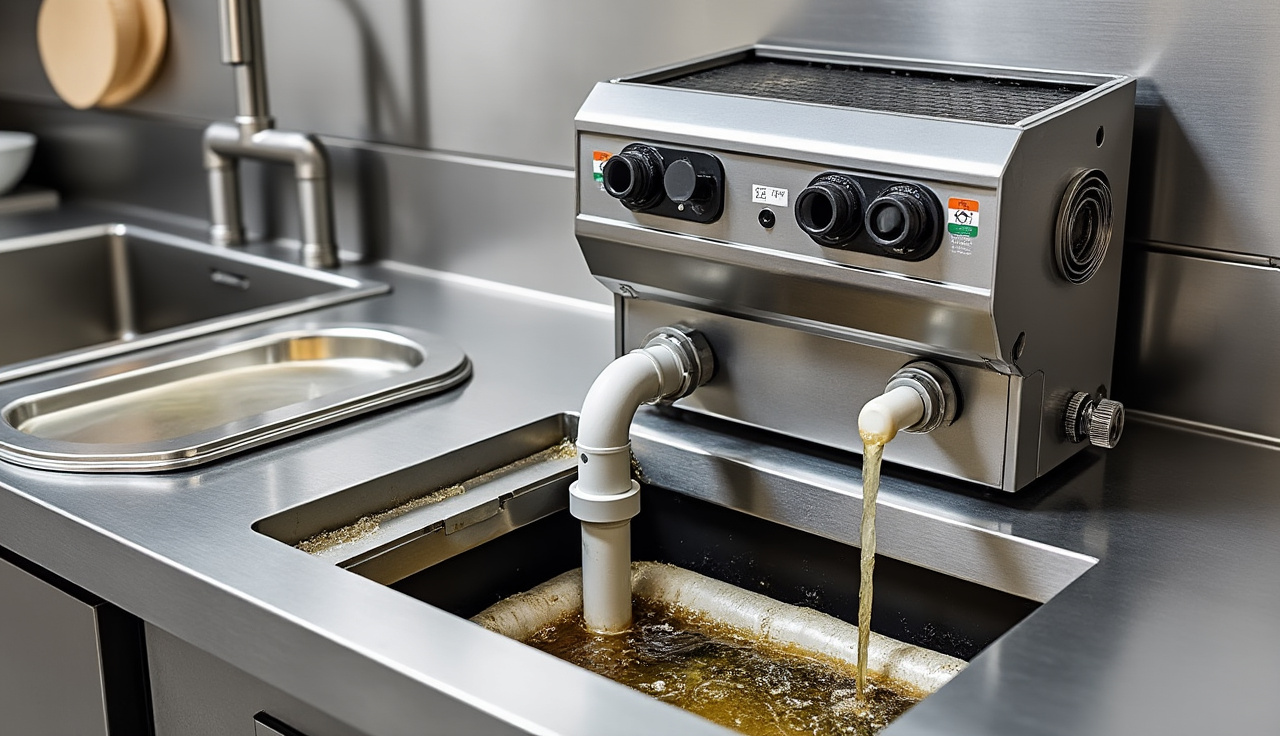
Septic tanks are essential components of waste management systems for many homes and businesses. They efficiently process waste, ensuring environmental safety and compliance with local regulations. However, maintaining a septic system requires regular pumping services to prevent overflows and backups. This necessity applies to both residential and commercial properties, making it crucial to understand the dynamics of efficient septic tank pumping services.
Understanding Septic Tank Pumping
Septic tank pumping involves the removal of sludge and scum that accumulate over time. This process is vital for the proper functioning of the system and to avoid potential hazards such as system failure and environmental pollution. Here are key factors to consider:
- Frequency: Generally, septic tanks should be pumped every 3 to 5 years, depending on the size of the tank and the number of users.
- Indicators: Signs that a septic tank requires pumping include slow drains, unpleasant odors, and pooling water in the yard.
- Professional Assessment: Regular inspections by professionals can help determine the optimal schedule for pumping and maintenance.
Septic Tank Pumping for Homes
Residential properties often face unique challenges when it comes to septic tank maintenance. Homeowners should consider the following:
- Household Size: Larger families generate more waste, which may necessitate more frequent pumping.
- Water Usage: High water usage from appliances and fixtures can impact the septic system’s efficiency.
- Waste Disposal: Proper disposal practices, such as avoiding flushing non-biodegradable items, can prolong the system’s lifespan.
For more information on maintaining residential septic systems, discover expert strategies here.
Septic Tank Pumping for Businesses
Commercial properties often have more complex septic system needs due to higher waste volumes and diverse waste types. Business owners should focus on:
- Industry Standards: Different industries have varying waste management requirements, influencing pumping frequency.
- System Capacity: Larger tanks may require less frequent pumping, but this depends on business operations.
- Regulatory Compliance: Adhering to local health and safety regulations is crucial for business operations.
To ensure efficient septic tank maintenance for businesses, learn about tailored solutions available.
Advanced Techniques and Technologies
Advancements in septic tank technology have introduced several efficient pumping strategies:
- Remote Monitoring: Sensors and IoT devices provide real-time data on tank levels and system health.
- Eco-friendly Solutions: Modern techniques focus on reducing environmental impact through sustainable waste processing.
- Automated Alerts: Systems that notify owners of potential issues before they escalate into significant problems.
To explore advanced guides and tips on these technologies, explore advanced guides and tips.
Choosing the Right Service Provider
Selecting a reliable septic tank pumping service is crucial for optimal system performance. Considerations include:
- Experience: Providers with a proven track record are more likely to offer efficient and reliable services.
- Customer Reviews: Feedback from previous clients can provide insights into service quality and customer satisfaction.
- Comprehensive Services: Providers offering a range of services, including inspections and repairs, can address broader maintenance needs.
For more detailed information on selecting a service provider, find out more about this approach.
In conclusion, regular septic tank pumping is an indispensable part of property maintenance for both homes and businesses. By understanding the specific requirements and technological advancements in this field, property owners can ensure that their systems remain efficient and compliant. Properly maintained septic systems contribute to a healthier environment and a more sustainable future.