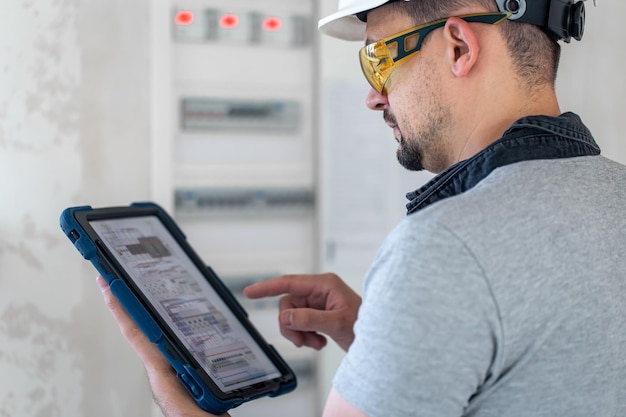
Water intrusion is a critical concern for both residential and commercial properties, leading to potential structural damage and health risks due to mold growth. Comprehensive moisture mapping is an essential strategy used to detect water intrusion accurately and effectively. This systematic approach not only identifies moisture levels within structures but also helps in formulating a detailed remediation plan. Understanding the significance and methodology of moisture mapping can greatly enhance the efficiency of water damage restoration efforts.
The Importance of Moisture Mapping
Moisture mapping plays a pivotal role in the detection and management of water intrusion. It provides a clear, visual representation of moisture distribution within a building, which is crucial for targeted remediation. Here are some key reasons why moisture mapping is invaluable:
- Identifies hidden sources of water intrusion that are not visible to the naked eye.
- Assists in preventing further damage by addressing moisture issues promptly.
- Facilitates precise drying processes, reducing the time and cost of restoration.
- Helps in assessing the effectiveness of remediation efforts.
Techniques and Tools for Effective Moisture Mapping
Advanced moisture mapping involves a range of techniques and tools to ensure accurate detection and analysis. Some of the most effective methods include:
1. Infrared Thermal Imaging
Infrared cameras are invaluable in detecting temperature variations that indicate moisture presence. These cameras can:
- Identify moisture trapped within walls, ceilings, and floors.
- Provide real-time imaging for immediate analysis.
- Reduce the need for invasive measures, preserving the structural integrity of the building.
Explore advanced guides and tips on using infrared thermal imaging effectively.
2. Moisture Meters
Moisture meters are essential tools for measuring the moisture content in various building materials. They offer:
- Pin-type meters for precise readings at specific points.
- Pinless meters for non-invasive surface measurements.
- Data logging features for tracking changes over time.
Discover expert strategies here for using moisture meters effectively.
3. Hygrometers and Humidity Sensors
These instruments are crucial for monitoring the ambient humidity levels within a building:
- Provide insights into potential areas of concern based on humidity readings.
- Help in maintaining optimal humidity levels to prevent mold growth.
Find out more about this approach to managing humidity effectively.
Implementing a Comprehensive Moisture Mapping Strategy
Implementing a robust moisture mapping strategy involves several critical steps to ensure thoroughness and accuracy:
- Conducting a preliminary visual inspection to identify obvious signs of water intrusion.
- Utilizing advanced tools, such as thermal imaging and moisture meters, to pinpoint areas of concern.
- Developing a detailed moisture map to guide targeted remediation efforts.
- Continuously monitoring moisture levels to evaluate the effectiveness of drying processes.
For tailored solutions to moisture mapping challenges, learn about our tailored solutions that can be adapted to specific needs.
Conclusion
Comprehensive moisture mapping is a cornerstone of effective water intrusion detection and management. By integrating advanced technologies and systematic strategies, property owners can significantly mitigate the risks associated with water damage. Regular updates and maintenance of moisture mapping protocols ensure ongoing protection against potential water-related issues. Through informed decision-making and methodical implementation, the integrity and safety of any property can be preserved.