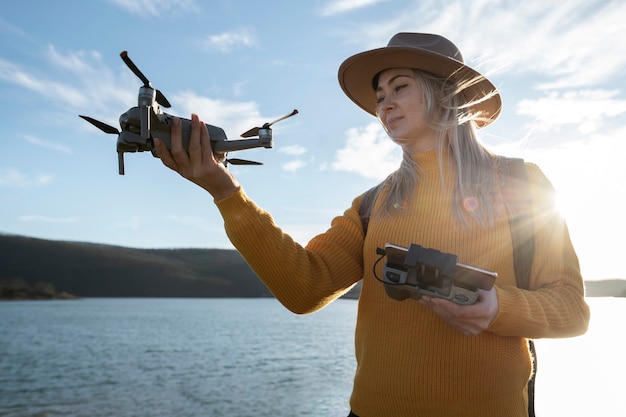
In recent years, drone photography has transformed the way we capture the world from above. As this technology becomes more accessible, photographers and hobbyists alike are keen to master the art of aerial shots. However, achieving those breathtaking images requires more than just a drone and a camera. It involves understanding the nuances of lighting, composition, and drone maneuvering. This article delves into the essential tips and techniques that can help anyone elevate their drone photography skills to new heights.
Understanding Your Equipment
Before you take to the skies, it’s crucial to have a solid understanding of your drone’s capabilities and limitations. Here are some key points to consider:
- Camera Settings: Familiarize yourself with the camera settings such as ISO, shutter speed, and aperture to ensure optimal image quality.
- Battery Life: Always check battery levels before a flight. It’s wise to carry spare batteries for extended sessions.
- Flight Modes: Learn the different flight modes your drone offers, such as GPS mode for stability and manual mode for more control.
Mastering Composition
Rule of Thirds
The rule of thirds is a fundamental principle in photography, and it applies equally well to aerial shots. By dividing the frame into a grid of nine equal parts, you can position the subject along these lines or at their intersections for a more balanced and engaging composition.
Leading Lines
Use natural lines in the landscape, like roads, rivers, or coastlines, to guide the viewer?s eye through the photo. This technique adds depth and draws attention to the main subject.
Lighting and Timing
Lighting plays a pivotal role in drone photography, as it can dramatically alter the mood and impact of an image.
- Golden Hour: The period shortly after sunrise or before sunset offers soft, warm lighting that is ideal for capturing stunning aerial shots.
- Midday Challenges: While the midday sun can lead to harsh shadows, it can be advantageous for capturing vibrant colors and details in certain landscapes.
Weather Conditions
Weather can be both an asset and a challenge. Here?s how to use it to your advantage:
- Cloud Cover: Overcast skies can diffuse light evenly, reducing harsh shadows and creating a moody atmosphere.
- Wind Considerations: High winds can affect stability and battery life. Always check the weather forecast before a flight.
Post-Processing Techniques
Once you’ve captured your aerial images, it’s time to enhance them through post-processing. Here are some tips:
- Editing Software: Use tools like Adobe Lightroom or Photoshop to adjust exposure, contrast, and color balance.
- Stitching Panoramas: For expansive landscapes, consider stitching multiple images together to create a panoramic view.
Safety and Regulations
Flying a drone safely and legally is paramount. Here are some essential considerations:
- Know the Laws: Familiarize yourself with local drone regulations to ensure compliance and avoid fines.
- Maintain Line of Sight: Always keep your drone within visual range to avoid accidents.
In conclusion, mastering the art of drone photography involves a blend of technical knowledge, creative vision, and respect for the environment and regulations. Whether capturing urban landscapes or natural vistas, these tips will help you achieve stunning aerial shots that captivate and inspire.