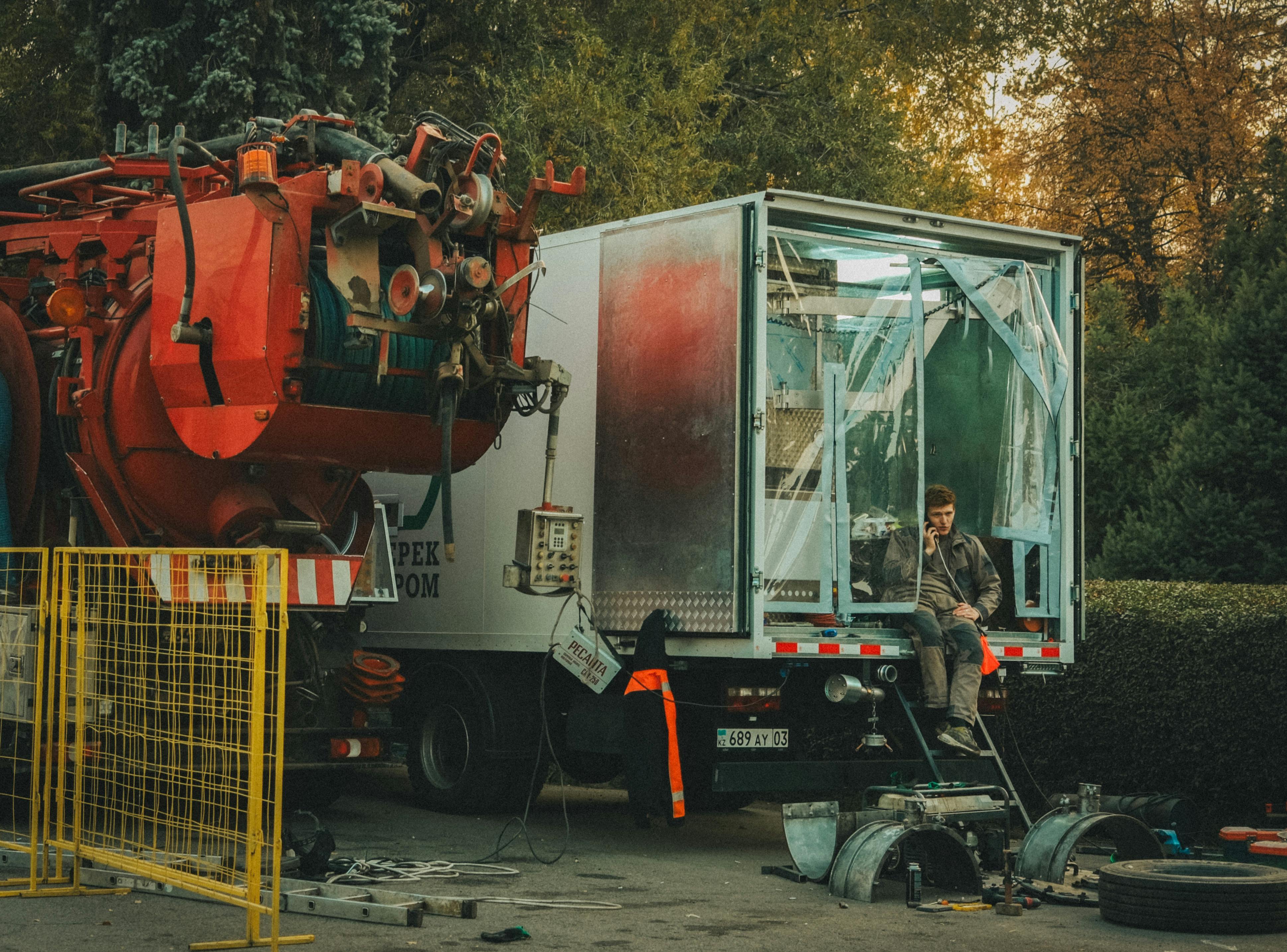
In the bustling environment of commercial kitchens, maintaining cleanliness is a critical component of daily operations. One essential aspect of this cleanliness is the proper management of grease traps. Neglecting grease trap maintenance can lead to unpleasant odors, blocked pipes, and even health code violations. Therefore, understanding the importance of regular grease trap cleaning and implementing the best practices is vital for any establishment committed to maintaining a high standard of hygiene.
The Importance of Grease Trap Cleaning
Grease traps, also known as grease interceptors, play a pivotal role in ensuring that fat, oil, and grease (FOG) do not enter the wastewater system. Without regular maintenance, these traps can become clogged, leading to numerous issues that can disrupt kitchen operations and pose environmental hazards.
- Preventing Blockages: Regular cleaning prevents fats and oils from solidifying and blocking pipes.
- Odor Control: A clean grease trap minimizes the risk of unpleasant smells permeating the kitchen.
- Regulatory Compliance: Adhering to health codes and regulations by maintaining grease traps is crucial to avoid fines and penalties.
- Environmental Protection: Proper management reduces the risk of environmental contamination from FOG overflow.
Discover expert strategies here to ensure effective grease trap maintenance in your kitchen.
Best Practices for Grease Trap Maintenance
Implementing a consistent and thorough cleaning schedule is essential for optimal grease trap performance. Here are some best practices to consider:
Regular Inspection and Cleaning
- Weekly Inspection: Conduct a visual inspection of the grease trap weekly to check for any signs of overflow or blockage.
- Monthly Cleaning: Depending on the volume of grease produced, schedule a thorough cleaning of the grease trap monthly.
Find out more about this approach by exploring advanced guides and tips here.
Professional Cleaning Services
While routine maintenance can be managed internally, hiring professional services ensures thorough and compliant cleaning. Professionals have the expertise and equipment required to handle grease trap waste safely and efficiently. Learn about our tailored solutions here.
Handling Grease Trap Waste
The disposal of grease trap waste must be handled with care to prevent environmental harm. Here are some key points to consider:
- Use Authorized Disposal Facilities: Always dispose of waste at approved facilities to ensure compliance with local regulations.
- Record Keeping: Maintain detailed records of waste disposal, including dates, quantities, and disposal methods.
Explore advanced guides and tips on proper waste management here.
Conclusion
Maintaining a clean kitchen requires diligent attention to all aspects of sanitation, including grease trap maintenance. By adhering to regular cleaning schedules and utilizing professional services, kitchens can run smoothly, efficiently, and in compliance with health regulations. In-depth knowledge and the implementation of effective strategies are invaluable in achieving this goal. For those looking to enhance their grease trap maintenance routines, a wealth of information and resources can be found here.