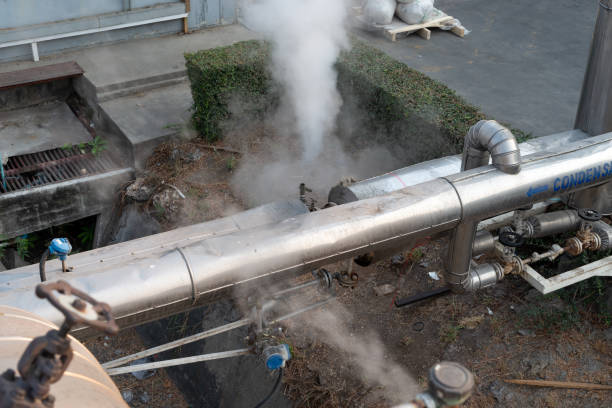
Soil vapor extraction (SVE) is a widely used technique in environmental cleanup projects, particularly for sites contaminated with volatile organic compounds (VOCs). This method involves the extraction of vapor-phase contaminants from the soil to prevent them from reaching indoor air spaces. Understanding the costs associated with SVE is crucial for project planning and implementation. Costs can vary significantly based on site-specific conditions, the extent of contamination, and the technology applied. This article delves into the key factors that influence soil vapor extraction costs, providing insights for stakeholders involved in remediation projects.
Factors Influencing Soil Vapor Extraction Costs
The cost of implementing a soil vapor extraction remediation process can be influenced by several factors. These factors are crucial in determining both the feasibility and the financial implications of the cleanup project.
Site Characteristics
- Soil Type: The type of soil affects the ease of vapor movement and extraction. Sandy soils, for example, allow vapors to move more freely, which can reduce costs.
- Soil Permeability: Higher permeability often leads to increased efficiency in vapor removal, potentially lowering costs.
- Depth of Contamination: Deeper contamination can result in higher costs due to the need for more extensive drilling and equipment.
Contaminant Properties
- Type of Contaminants: Different VOCs have varying levels of volatility and might require different extraction techniques.
- Concentration Levels: Higher concentrations of contaminants typically necessitate more rigorous and prolonged extraction efforts.
Technology and Equipment
- System Design and Complexity: The complexity of the SVE system, including the number of extraction wells and the type of equipment used, impacts the overall cost.
- Monitoring Requirements: Continuous monitoring for soil vapor testing increases operational costs but is essential for ensuring the effectiveness of the extraction process.
Cost Estimation for Soil Vapor Extraction
Estimating the soil vapor extraction cost requires a comprehensive evaluation of all factors involved. Below are some considerations that can help in deriving a more accurate cost estimation:
- Preliminary Site Assessment: Conducting a thorough assessment to understand site conditions and contaminant levels is a fundamental step in cost estimation.
- System Design: Tailoring the design of the SVE system to the specific needs of the site can optimize effectiveness and manage costs.
- Operational and Maintenance Costs: These costs are ongoing and should be factored into the overall budget. Regular maintenance ensures the system operates efficiently throughout the project duration.
For a comprehensive understanding of soil vapor extraction remediation, one should consider consulting with experienced professionals who can provide site-specific solutions and cost-effective strategies.
Benefits and Challenges
While soil vapor extraction is an effective remediation method, it also presents certain challenges and benefits that must be considered:
Benefits
- Effective in removing VOCs, preventing potential health risks associated with contamination.
- Can be implemented with minimal disruption to site operations.
Challenges
- High initial setup costs can be a barrier for some projects.
- Requires ongoing monitoring and maintenance to ensure effectiveness and compliance with environmental standards.
Understanding the intricacies of soil vapor extraction processes and costs can significantly enhance the success of environmental cleanup efforts. By considering all influencing factors and potential challenges, stakeholders can make informed decisions that align with both environmental and financial objectives.