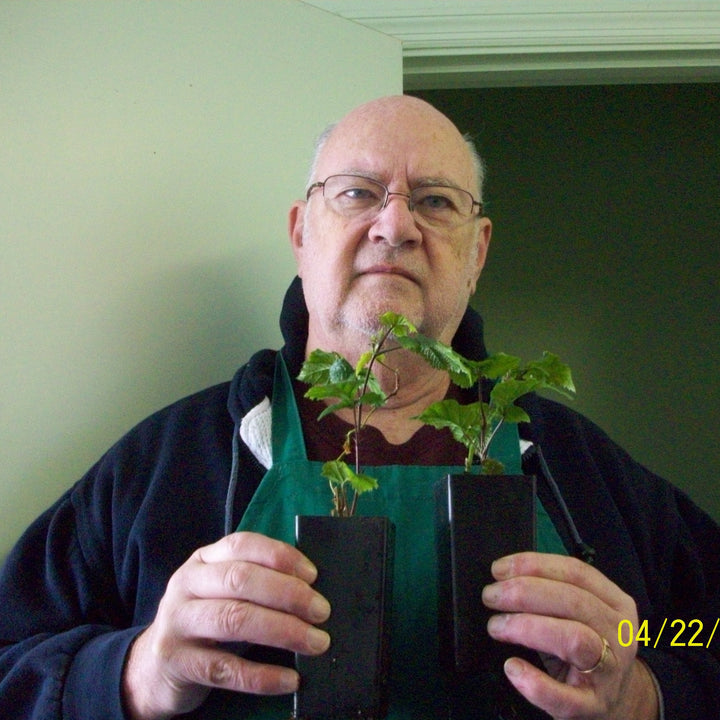
The allure of cultivating your own fruits often leads garden enthusiasts to experiment with different varieties. Among these, thornless blackberry plants have garnered significant attention for their ease of maintenance and bountiful harvests. These plants offer the perfect combination of delicious, juicy berries without the hassle of dealing with thorns. This article delves into the potential of introducing thornless blackberry plants into your garden, exploring their benefits, care tips, and the added value they bring to your landscape.
Benefits of Thornless Blackberry Plants
Thornless blackberry plants are a gardener’s delight, offering numerous advantages that make them a desirable addition to any yard. Here are some key benefits:
- **Ease of Harvesting**: The absence of thorns makes picking berries from these plants a pain-free and pleasant experience.
- **Aesthetic Appeal**: With their lush foliage and plump berries, thornless blackberries add visual interest and beauty to gardens.
- **Health Benefits**: Packed with antioxidants, vitamins, and minerals, blackberries contribute to a healthy diet.
- **Environmental Contribution**: These plants attract pollinators such as bees and butterflies, enhancing the biodiversity of your garden.
To explore advanced guides and tips on how to maximize these benefits, discover expert strategies here.
Planting and Care Tips
Choosing the Right Location
Selecting an appropriate spot in your garden is crucial for the thriving of thornless blackberry plants. Consider the following:
- **Sunlight**: Ensure the plants receive full sun for at least six hours a day to promote healthy growth and abundant fruiting.
- **Soil Quality**: Opt for well-drained, sandy-loam soil with a pH between 5.5 and 6.5.
- **Space**: Allow adequate spacing between plants to facilitate airflow and reduce disease risks.
For more information on optimizing your planting site, learn about our tailored solutions.
Maintenance Practices
Proper care ensures that your thornless blackberry plants remain healthy and productive:
- **Watering**: Regular watering is essential, especially during dry spells, but avoid waterlogging the roots.
- **Fertilizing**: Apply a balanced fertilizer in early spring and again during the fruiting season.
- **Pruning**: Trim the canes after the fruiting season to encourage new growth and maintain plant shape.
To find out more about this approach to plant care, find out more about this approach.
Potential Challenges and Solutions
While thornless blackberry plants are resilient, they are not immune to challenges. Here are common issues and their solutions:
- **Pests**: Birds and insects may be attracted to the fruit. Protect your berries with netting or organic insecticides.
- **Diseases**: Watch for signs of fungal infections such as leaf spot or cane blight, and treat them promptly with appropriate fungicides.
- **Overcrowding**: Ensure regular pruning to prevent overcrowding, which can lead to reduced airflow and increased disease susceptibility.
For insights into advanced care techniques, explore advanced guides and tips.
Conclusion
Incorporating thornless blackberry plants into your yard can transform your space into a haven of both beauty and bounty. With their ease of maintenance and delicious harvests, they are a valuable addition to any garden. By following the outlined care practices and strategies, you can ensure a thriving blackberry patch that yields fruitful results year after year. Embrace the potential of thornless blackberries and elevate your gardening experience today.