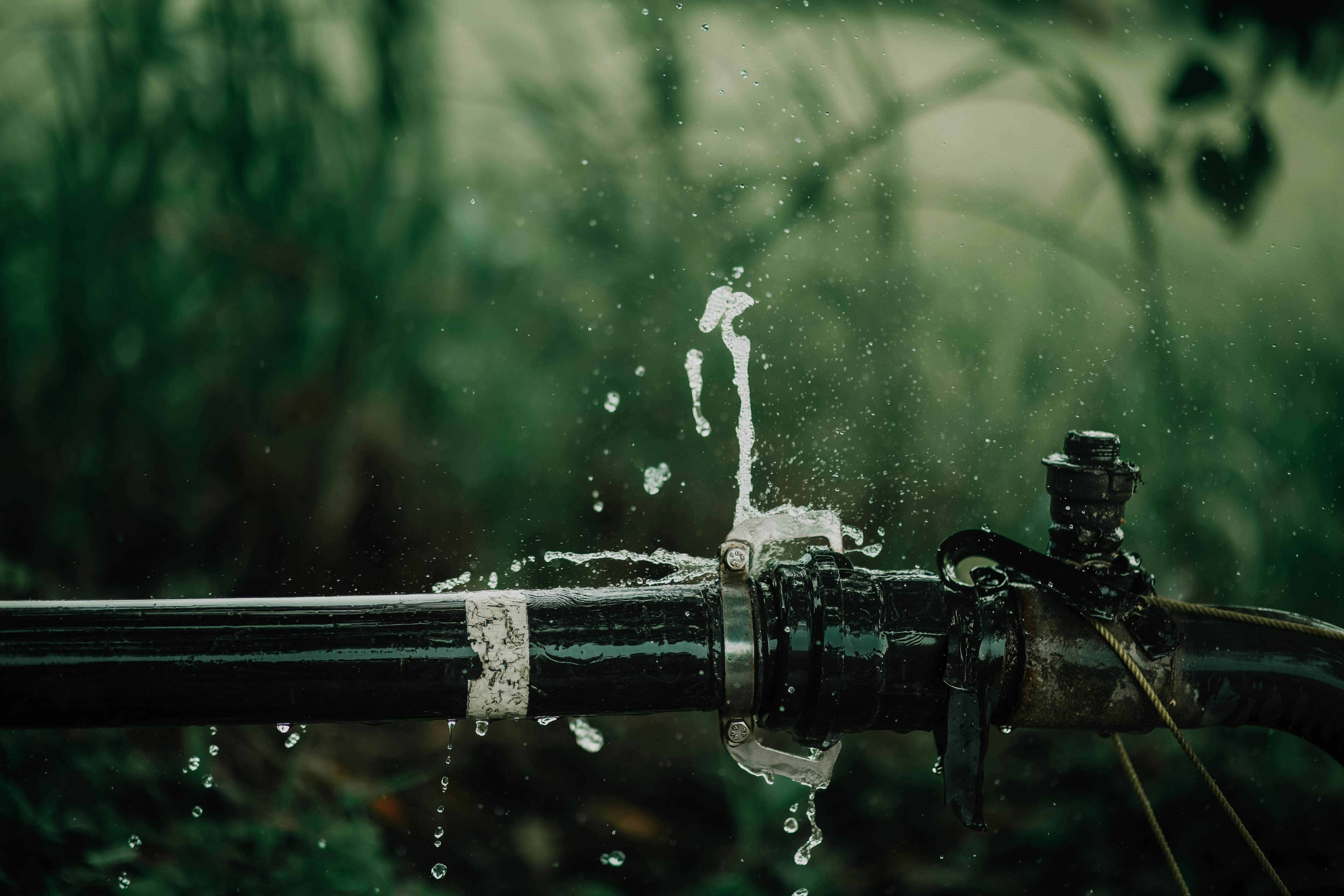
Trenchless technology is transforming the way sewer lines are replaced or repaired. It offers a cost-effective, less disruptive alternative to traditional methods that require extensive excavation. Homeowners and businesses are increasingly opting for trenchless methods due to their efficiency and minimal impact on landscapes and infrastructure. Understanding the various options available can help property owners make informed decisions without compromising on quality or service.
Understanding Trenchless Sewer Line Replacement
Trenchless sewer line replacement involves innovative techniques that allow for the repair or replacement of sewer lines without the need for extensive digging. These methods are designed to be swift and efficient, reducing disturbance to the surrounding environment. There are several options available, each suited to different needs and conditions.
Pipe Bursting
Pipe bursting is a popular trenchless method where the existing pipe is fractured and expanded while simultaneously pulling a new pipe into place. This technique is ideal for replacing old or damaged pipes and is highly effective in scenarios where the existing pipe is beyond repair.
- Cost-effective for large-scale projects.
- Minimal disruption to the surface.
- Suitable for replacing pipes made of various materials.
Pipe Lining
Also known as cured-in-place piping (CIPP), pipe lining involves inserting a resin-coated flexible tube into the existing pipe. The resin hardens, forming a new pipe within the old one. This method is particularly useful for pipes that are still structurally sound but have minor cracks or leaks.
- Preserves the existing pipe structure.
- Reduces the need for excavation.
- Can increase the lifespan of the sewer line.
Factors Influencing Trenchless Sewer Line Replacement Cost
The trenchless sewer line replacement cost can vary significantly based on several factors. Understanding these can help in budgeting and planning effectively.
- Pipe Length and Diameter: Longer and larger pipes generally cost more to replace.
- Location: Urban areas may incur higher costs due to complexities such as traffic control and permits.
- Existing Pipe Condition: Severely damaged pipes may require additional preparation work.
- Access Points: Fewer access points can reduce costs; however, complex setups might necessitate more access, increasing expenses.
Comparative Cost Analysis
When compared to traditional methods, trenchless technologies can often be more cost-effective in the long run. The reduction in labor, time, and restoration costs typically outweighs the initial investment.
Benefits of Choosing Trenchless Methods
Opting for trenchless sewer repair not only preserves landscapes but also offers several other advantages:
- Environmental Considerations: Trenchless technology is less invasive, reducing the impact on natural habitats and landscapes.
- Time-Efficient: Projects are completed faster due to reduced excavation and restoration time.
- Durability: Modern materials and techniques used in trenchless methods often result in longer-lasting solutions.
Finding the Right Service Provider
For those considering trenchless sewer lateral repair milwaukee, it’s vital to choose a provider with a proven track record. A knowledgeable team can assess the specific needs of a property and recommend the most suitable trenchless solution.
Conclusion
Trenchless sewer line replacement offers a range of benefits for those looking to upgrade or repair their plumbing systems efficiently. Whether it’s for trenchless sewer line replacement near me or trenchless water line replacement, understanding the options available can significantly influence the decision-making process. By choosing trenchless methods, property owners can ensure minimal disruption, cost savings, and longevity for their underground utilities.