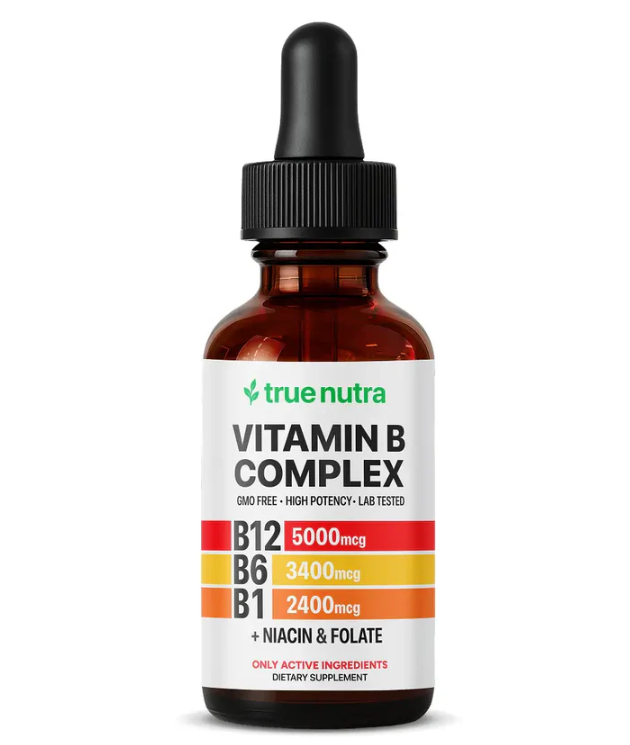
Energy is the currency of every cell, and the biochemical pathways that convert food into usable fuel are finely tuned by a group of water-soluble nutrients known as the B-vitamin complex. While the public often associates “vitamins” with general health, the B vitamins are uniquely positioned as co-enzymes that drive the metabolic engines of carbohydrate, fat, and protein metabolism. This article explores the scientific basis for that role, highlights the specific B vitamins most critical for ATP generation, and offers practical guidance for maintaining optimal status without resorting to hype or unverified claims.
What is Vitamin B Complex?
The term Vitamin B Complex refers to a collection of eight distinct vitamins, B1 (thiamine), B2 (riboflavin), B3 (niacin), B5 (pantothenic acid), B6 (pyridoxine), B7 (biotin), B9 (folate), and B12 (cobalamin). Each functions as a co-enzyme or a precursor to a co-enzyme that facilitates enzymatic reactions essential for energy metabolism. Unlike fat-soluble vitamins, B vitamins are not stored in large quantities; they must be regularly obtained from the diet, making consistent intake a cornerstone of metabolic health.
Key B Vitamins Involved in Energy Metabolism
Thiamine (B1)
- Activates pyruvate dehydrogenase, linking glycolysis to the citric acid cycle.
- Supports the conversion of glucose into acetyl-CoA, a primary substrate for ATP synthesis.
Riboflavin (B2)
- Forms the core of flavin adenine dinucleotide (FAD) and flavin mononucleotide (FMN), electron carriers in oxidative phosphorylation.
- Essential for the function of complex I and II of the mitochondrial electron transport chain.
Niacin (B3)
- Constitutes nicotinamide adenine dinucleotide (NAD???) and NADP???, pivotal for redox reactions.
- Facilitates the transfer of electrons during glycolysis, the citric acid cycle, and fatty-acid oxidation.
Pantothenic Acid (B5)
- Integral component of coenzyme A, which carries acyl groups into the citric acid cycle.
- Supports synthesis of acetyl-CoA from carbohydrates, fats, and proteins.
Pyridoxine (B6)
- Acts as a co-enzyme for transamination reactions, enabling amino-acid catabolism for energy.
- Involved in glycogenolysis, the breakdown of stored glycogen into glucose.
Biotin (B7)
- Co-enzyme for carboxylation reactions in gluconeogenesis and fatty-acid synthesis.
- Supports the generation of oxaloacetate, a critical citric-acid-cycle intermediate.
Folate (B9) & Cobalamin (B12)
- Crucial for one-carbon metabolism, which influences the synthesis of nucleotides and amino acids.
- Indirectly affect energy production by ensuring efficient DNA/RNA synthesis and red blood-cell formation.
How B Vitamins Contribute to Cellular Energy Production
At a cellular level, the production of adenosine triphosphate (ATP) follows a three-stage process: glycolysis, the citric acid (Krebs) cycle, and oxidative phosphorylation. B vitamins act as indispensable helpers at each step:
- Glycolysis: Thiamine-dependent enzymes convert glucose-6-phosphate into pyruvate, while B6-dependent enzymes enable the release of stored glycogen.
- Citric Acid Cycle: Riboflavin-derived FAD and niacin-derived NAD??? accept electrons from acetyl-CoA, producing reduced co-enzymes that feed the electron transport chain.
- Oxidative Phosphorylation: The electron transport chain relies on FADH??? and NADH to generate a proton gradient that drives ATP synthase.
Without adequate B-vitamin status, these enzymatic reactions become bottlenecked, leading to reduced ATP yield, increased production of lactate, and a subjective feeling of fatigue. Moreover, the interdependence of B vitamins means that a deficiency in one can impair the function of others, magnifying the impact on energy metabolism.
Factors Influencing B-Vitamin Utilization
Several physiological and lifestyle variables affect how efficiently the body utilizes B vitamins:
- Age: Absorption of B12 declines after age 60 due to reduced stomach acid.
- Dietary Patterns: Strict vegan diets may lack sufficient B12, while high-processed-food diets can be low in thiamine and riboflavin.
- Alcohol Consumption: Chronic alcohol intake interferes with the absorption of thiamine, folate, and B6.
- Medication Interactions: Metformin, proton-pump inhibitors, and certain antibiotics can diminish B-vitamin levels.
- Genetic Variants: Polymorphisms in the MTHFR gene affect folate metabolism, influencing overall energy efficiency.
Practical Recommendations for Optimal Intake
Maintaining a balanced supply of B vitamins is achievable through a combination of diet, mindful lifestyle choices, and, when necessary, supplementation. Consider the following evidence-based strategies:
- Consume a varied diet rich in whole grains, legumes, nuts, lean meats, fish, eggs, and leafy greens.
- Include fortified foods, such as breakfast cereals or nutritional yeast, to boost B12 and folate intake, especially for plant-based eaters.
- Limit excessive alcohol and monitor medications that may impair B-vitamin absorption.
- For individuals with documented deficiencies or increased needs (e.g., athletes, older adults, pregnant women), a high-quality Vitamin B Complex supplement can provide a reliable source of all eight vitamins in bioavailable forms.
- Regularly assess status through blood tests for B12, folate, and, where indicated, other B-vitamins.
By understanding the biochemical roles of each B vitamin and recognizing the factors that influence their availability, it becomes possible to support the body’s energy factories more effectively. A well-rounded approach, grounded in nutrition science and tailored to personal health circumstances, ensures that the metabolic pathways responsible for ATP generation operate at their full potential.