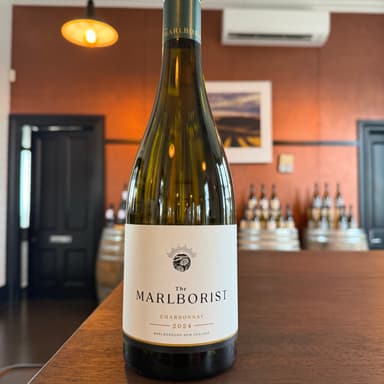
Marlborough, New”?Zealand’s premier wine region, offers more than just world-renowned Sauvignon Blanc; it provides a curated experience for anyone eager to explore vineyards, learn about winemaking, and savor the landscape’s unique terroir. Planning a wine-tasting adventure here can be as rewarding as the tasting itself, especially when the itinerary balances iconic estates with hidden gems, culinary pairings, and sustainable travel practices. The following guide outlines the essential steps, regional highlights, and practical tips to ensure a seamless, memorable journey.
Why Choose Marlborough for Your Next Wine Tasting
The region’s cool-climate conditions, abundant sunshine, and well-drained soils create an ideal environment for aromatic white varieties and increasingly expressive reds. Beyond the grapes, Marlborough’s hospitality industry is renowned for its knowledgeable staff, innovative cellar doors, and commitment to sustainability.
- Signature varietals: Sauvignon Blanc, Pinot Noir, Chardonnay, and emerging aromatic whites.
- Scenic diversity: From the coastal bays of the Marlborough Sounds to the rolling hills of the Wairau Valley.
- Eco-conscious wineries: Many vineyards practice organic farming, water-conservation, and carbon-offset programs.
- Gastronomic synergy: Local chefs craft menus that highlight regional produce and perfectly complement the wines.
Planning Your Itinerary
1. Define Your Focus
Determine whether the primary goal is to sample a broad range of styles, dive deep into a single varietal, or combine wine tasting with outdoor activities. Tailoring the itinerary to a clear objective helps streamline travel logistics and maximizes enjoyment.
2. Choose Your Base
Bluff, Picton, and the town of Renwick each offer distinct advantages. Bluff provides easy access to the Sounds, Picton is a gateway for ferry arrivals, and Renwick sits in the heart of the wine corridor, reducing daily travel time.
3. Allocate Time Wisely
- Half-day visits: Ideal for quick tastings at boutique cellar doors.
- Full-day experiences: Include vineyard tours, barrel rooms, and lunch pairings.
- Multi-day stays: Allow for deeper immersion, such as winemaking workshops or vineyard walks at sunrise.
Must-Visit Wineries and Experiences
Below is a curated selection of vineyards that showcase the region’s diversity while offering educational and sensory experiences.
- Cloudy Bay: Pioneer of Marlborough Sauvignon Blanc; offers a guided vineyard walk followed by a tasting on the waterfront terrace.
- Dog Ridge Vineyard: Known for its biodynamic practices; the “Taste & Learn” session includes a discussion on soil health and climate impact.
- Wither Hills: Features a state-of-the-art tasting room and a culinary pairing menu crafted by a local chef.
- Villa Maria – Marlborough Estate: Offers a premium tasting flight and a behind-the-scenes look at barrel aging techniques.
For more detailed recommendations on winery selection, Discover expert strategies here provides a comprehensive overview of the region’s top producers.
Enhancing the Experience with Food and Culture
Pairing wine with locally sourced cuisine elevates both elements. Many cellar doors collaborate with nearby restaurants or on-site chefs to create seasonal menus.
- Seafood platters: Fresh mussels, oysters, and snapper pair beautifully with crisp Sauvignon Blanc.
- Artisan cheeses: Goat cheeses and aged cheddar complement the wine’s acidity and fruit profile.
- Local produce: Asparagus, kumara, and stone fruit feature in tasting menus, highlighting the region’s agricultural bounty.
To explore culinary pairings in depth, Explore advanced guides and tips offers insights from top chefs and sommeliers.
Logistics: Getting Around and Staying Comfortable
Transportation
Hiring a driver or joining a guided tour ensures safety while allowing guests to fully enjoy tastings. Public transport is limited, so a private vehicle with a designated driver is often the most practical solution.
Accommodation
Options range from boutique vineyard lodges to boutique hotels in Blenheim. Selecting a property that offers on-site wine experiences can reduce travel time and provide added convenience.
Seasonal Considerations
- Spring (September-November): Vineyard buds emerge; ideal for walking tours.
- Summer (December-February): Warm weather and vibrant festivals; book early due to high demand.
- Autumn (March-May): Harvest season; many wineries host special events and barrel tastings.
- Winter (June-August): Quiet period; perfect for intimate, private tastings.
Sustainable Practices to Embrace
Travelers can contribute to the region’s environmental stewardship by adopting simple habits:
- Choose wineries with organic or biodynamic certifications.
- Use refillable water bottles and recycle glass containers.
- Prefer accommodations that implement energy-saving measures.
- Support local producers by purchasing wines directly from cellar doors.
For a deeper dive into sustainable tourism strategies, Learn about our tailored solutions provides actionable guidance.
Final Checklist Before You Go
- Confirm winery appointment times and any required bookings.
- Arrange transportation with a licensed driver or reputable tour operator.
- Pack appropriate attire for vineyard walks and cellar door visits.
- Download a map of the wine region and note emergency contacts.
- Review any COVID-19 or health guidelines currently in place.
By thoughtfully planning each element, from vineyard selection to sustainable travel practices, your Marlborough wine-tasting adventure will be both enriching and unforgettable. For additional resources and personalized itinerary ideas, Find out more about this approach and start crafting the perfect journey today.