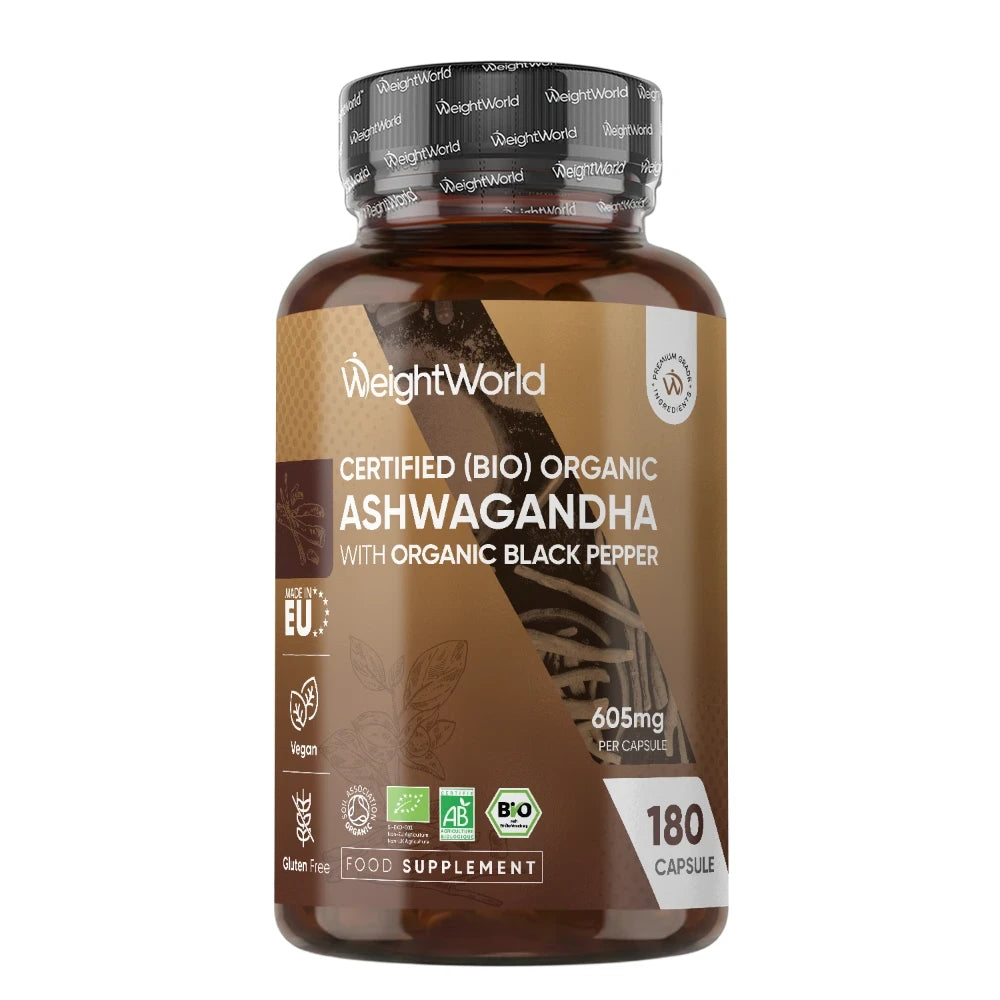
Ashwagandha, an adaptogenic herb rooted in Ayurvedic tradition, has surged in popularity across the United Kingdom as a natural ally for stress management, immune support, and overall vitality. With a marketplace crowded by countless formulations, selecting a supplement that delivers consistent potency, purity, and bioavailability can be daunting. This guide distills the essential criteria for evaluating Ashwagandha products, highlights the scientific rationale behind key ingredients, and points readers toward a curated selection that meets the highest standards of quality and efficacy.
Why Ashwagandha Matters for Modern Health
Contemporary lifestyles expose individuals to chronic stressors, tight deadlines, digital overload, and irregular sleep patterns, that can impair hormonal balance and metabolic function. Ashwagandha (Withania somnifera) offers a multi-faceted approach to these challenges:
- Stress Reduction: The herb’s withanolides modulate cortisol, the primary stress hormone, helping to restore calm without sedation.
- Energy & Stamina: Clinical trials show improvements in VO??? max and perceived exertion, making it valuable for athletes and active professionals.
- Immune Support: Antioxidant activity protects cellular membranes and supports a balanced immune response.
- Hormonal Balance: Evidence suggests benefits for thyroid function and reproductive health, particularly in men experiencing low testosterone.
Key Quality Indicators for Ashwagandha Supplements
1. Standardised Withanolide Content
Effective products typically guarantee a minimum of 5″?% withanolides, the bioactive compounds responsible for most therapeutic effects. Look for transparent lab reports that confirm this concentration on a per-serving basis.
2. Source of the Raw Material
Geographical origin influences phytochemical profiles. Premium Ashwagandha is often cultivated in the arid regions of India where soil conditions favor higher withanolide synthesis. Sustainable farming practices and third-party certifications (e.g., USDA Organic, EU Organic) further assure purity.
3. Manufacturing Standards
Good Manufacturing Practice (GMP) compliance, along with independent testing for heavy metals, pesticides, and microbial contamination, is essential. Products that provide batch-specific certificates of analysis (COA) demonstrate a commitment to consumer safety.
4. Formulation Type
- Capsules vs. Powders: Capsules offer precise dosing and convenience, while powders can be blended into smoothies for those who prefer a flexible intake.
- Synergistic Additions: Some formulations include black pepper extract (piperine) to enhance absorption, or adaptogenic blends that combine Ashwagandha with Rhodiola or Holy Basil.
How to Evaluate Product Labels
When scanning a supplement label, consider the following checklist:
- Exact amount of Ashwagandha root extract per serving.
- Percentage of standardised withanolides.
- Presence of fillers, binders, or artificial additives.
- Third-party testing logos and COA references.
For a practical demonstration of a well-labelled product, Discover expert strategies here and see how transparent labeling aligns with the criteria above.
Top Features of the Leading UK Ashwagandha Supplement
The most recommended supplement on the market distinguishes itself through a combination of scientific rigor and consumer-focused design:
- 5″?% Withanolides: Consistently verified across batches.
- Organic Certified: Grown without synthetic pesticides.
- GMP-Certified Facility: Manufactured in a UK-based, ISO-9001 accredited plant.
- Enhanced Bioavailability: Includes a modest dose of piperine to improve intestinal absorption.
- Vegan-Friendly Capsules: Made from hydroxypropyl methylcellulose (HPMC) for those avoiding gelatin.
Further details on the formulation can be explored through the brand’s dedicated collection page. Learn about our tailored solutions and discover why these specifications matter for long-term health outcomes.
Integrating Ashwagandha into a Daily Routine
Optimal results are achieved when the supplement is paired with supportive lifestyle habits:
- Timing: Take the capsule with a meal containing healthy fats to aid absorption.
- Dosage: Typical regimens range from 300″?mg to 600″?mg of standardized extract per day; consult a healthcare professional for personalized advice.
- Consistency: Benefits become noticeable after 4-6 weeks of regular use.
- Complementary Practices: Incorporate mindfulness, adequate sleep, and balanced nutrition to amplify adaptogenic effects.
For a deeper dive into practical usage, Explore advanced guides and tips that outline meal-pairing strategies and dosage schedules.
Potential Interactions and Safety Considerations
While Ashwagandha is generally well tolerated, certain populations should exercise caution:
- Individuals on thyroid medication should monitor hormone levels, as the herb can influence thyroid activity.
- Pregnant or breastfeeding women are advised to avoid high-dose supplementation.
- Those with autoimmune conditions should discuss usage with a medical professional.
Reliable manufacturers provide clear warnings and dosage recommendations on their packaging. Find out more about this approach to ensure safe integration into personal health plans.
Conclusion: Selecting the Best Ashwagandha Supplement for UK Consumers
Choosing an Ashwagandha supplement that aligns with rigorous quality standards, transparent labeling, and scientifically supported potency is essential for reaping the herb’s full health benefits. By prioritising standardised withanolide content, organic sourcing, GMP manufacturing, and enhanced bioavailability, consumers can confidently incorporate this adaptogen into their daily regimen. The curated collection available through reputable UK retailers offers a reliable gateway to optimal health, backed by evidence-based research and strict quality controls.