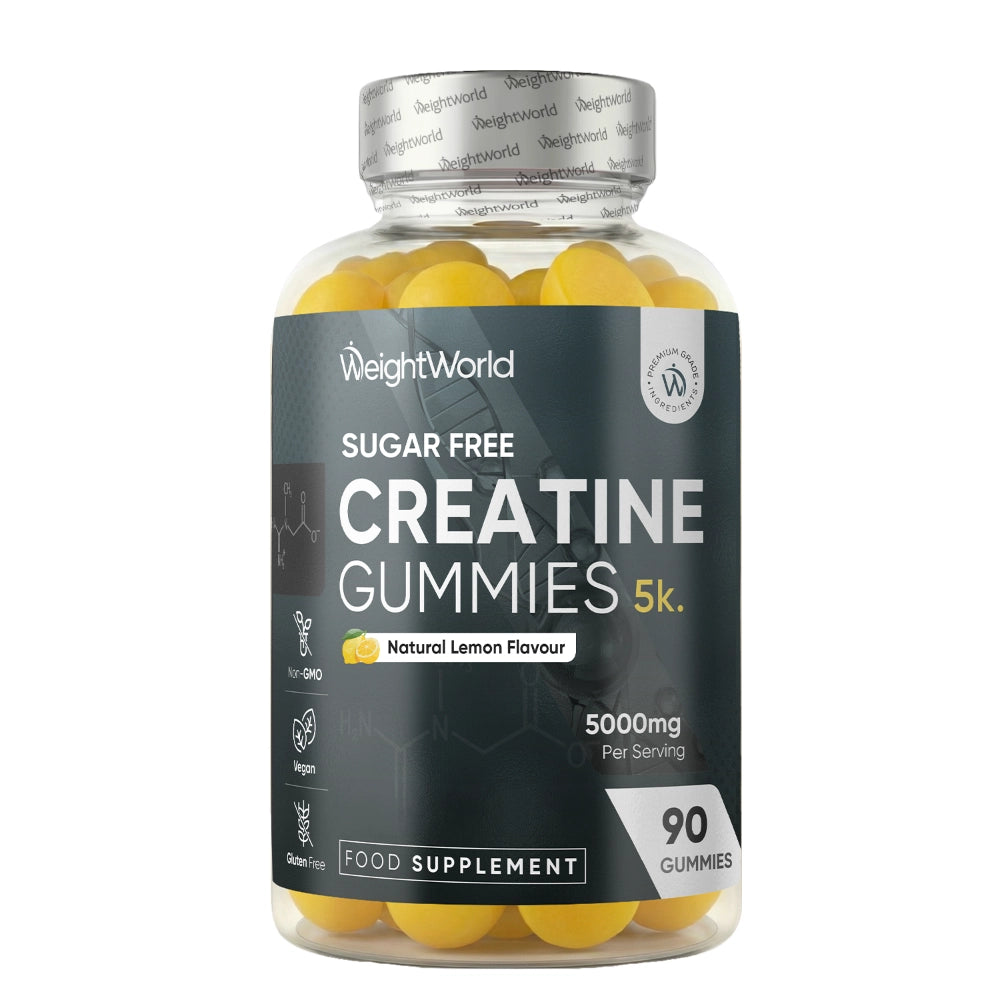
Navigating the world of sports nutrition can feel overwhelming, especially with the sheer volume of products marketed as performance boosters. Selecting the right supplement requires a clear understanding of personal goals, scientific evidence, and safety considerations. This guide breaks down the essential factors to evaluate, helping athletes and fitness enthusiasts make informed decisions that align with their training regimen and health objectives.
Identify Your Primary Goals
Before diving into the supplement aisle, clarify what you hope to achieve. Different categories address distinct needs:
- Strength & Power: Creatine, beta-alanine, and certain protein blends.
- Endurance & Recovery: Electrolyte formulas, branched-chain amino acids (BCAAs), and omega-3 fatty acids.
- Weight Management: Thermogenic agents, high-protein snacks, and fiber-rich powders.
- Overall Health: Multivitamins, joint support complexes, and probiotic blends.
Understand the Science Behind Key Ingredients
Evidence-based research should be the foundation of any supplement choice. Below are some of the most studied components and their proven benefits:
Creatine Monohydrate
One of the most robustly researched supplements, creatine enhances ATP regeneration, leading to improved strength and power output during high-intensity efforts.
- Typical dosage: 3-5″?g per day.
- Effective for weight-lifters, sprinters, and team-sport athletes.
- Generally safe for healthy adults when taken with adequate hydration.
Beta-Alanine
By buffering muscle acidity, beta-alanine can delay fatigue during sustained high-intensity activity.
- Effective dose: 2-5″?g daily, split into smaller portions.
- May cause a harmless tingling sensation at higher doses.
Protein Powders
High-quality protein supports muscle repair and growth. Whey isolate, micellar casein, and plant-based blends each offer unique absorption profiles.
- Whey isolate: rapid absorption, ideal post-workout.
- Casein: slow release, suitable before sleep.
- Plant blends: good for those avoiding dairy, often fortified with digestive enzymes.
Evaluate Product Quality and Transparency
Not all supplements are created equal. Look for manufacturers that prioritize third-party testing and clear labeling.
- Certificates from agencies such as NSF Certified for Sport or Informed-Sport indicate independent verification.
- Ingredient lists should specify exact amounts of active compounds, not just “proprietary blends.”
- Check for allergens, artificial sweeteners, or unnecessary fillers that may affect tolerance.
Consider Your Dietary Context
Supplements are meant to complement, not replace, a balanced diet. Assess how a product fits within your daily nutrient intake.
- If protein needs are already met through food, a high-dose protein powder may be redundant.
- Electrolyte supplements are most beneficial during prolonged sweating or heat exposure.
- Individuals with specific health conditions should consult a healthcare professional before adding new compounds.
Legal and Safety Aspects
Compliance with sport governing bodies and anti-doping regulations is crucial for competitive athletes.
- Verify that the product is listed on the World Anti-Doping Agency (WADA) prohibited list before use.
- Avoid “proprietary blends” that hide exact dosages, as they may contain undisclosed stimulants.
- Read user reviews and look for reports of adverse reactions.
Where to Find Reliable sports supplements
Choosing a reputable retailer can simplify the verification process. Trusted platforms typically provide:
- Detailed product pages with batch numbers and testing certificates.
- Clear return policies and customer support for ingredient queries.
- Educational resources that explain how each supplement aligns with specific training goals.
Putting It All Together: A Step-by-Step Checklist
Use the following quick reference to streamline your selection process:
- Define your performance or health objective.
- Identify evidence-based ingredients that target that goal.
- Check dosage recommendations and safety profiles.
- Confirm third-party testing and transparent labeling.
- Assess how the supplement fits into your overall nutrition plan.
- Verify compliance with any sport-specific regulations.
- Purchase from a reputable source that offers clear product information.
Final Thoughts
Choosing the right sports supplement is a nuanced decision that blends personal goals, scientific evidence, and quality assurance. By following a systematic approach, starting with clear objectives, scrutinizing ingredient research, and prioritizing transparency, athletes can enhance performance safely and effectively. Remember, supplements are an adjunct to a well-structured training program and a balanced diet; they are not a shortcut. With informed choices, the right product can become a valuable tool in the pursuit of peak athletic potential.