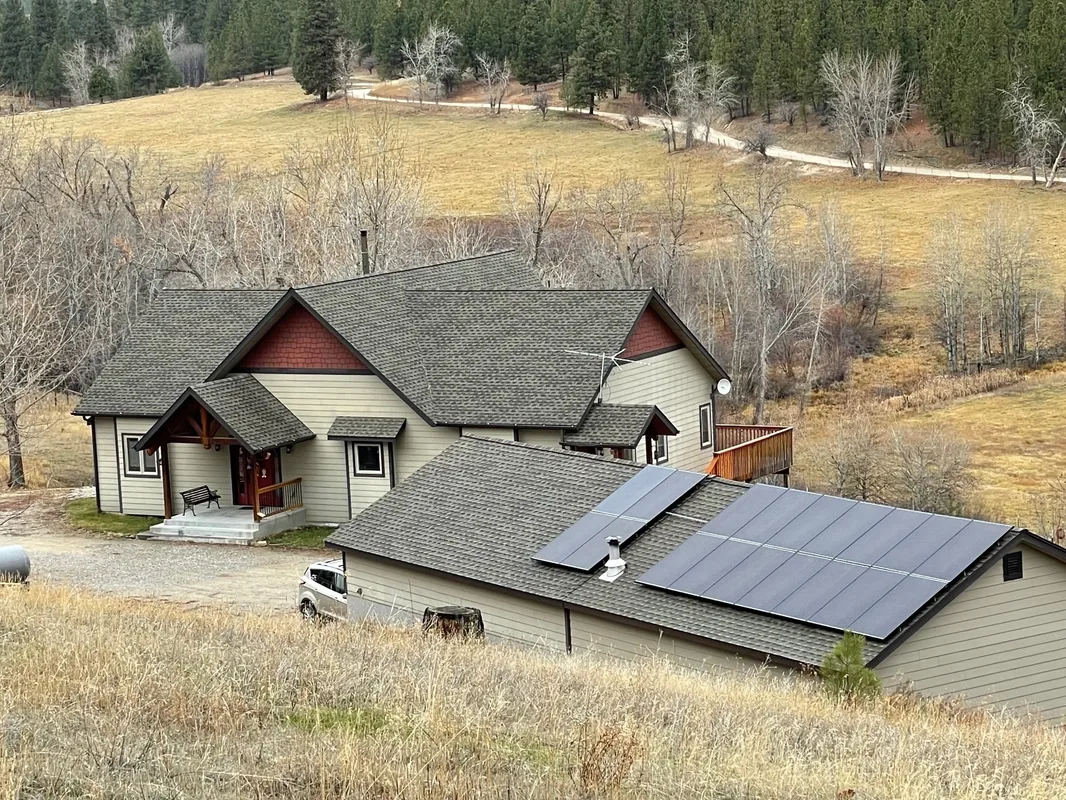
As the world gravitates towards sustainable energy solutions, residential solar power systems are gaining popularity among homeowners seeking to reduce their carbon footprint and energy bills. Choosing the right solar power system for a home involves several considerations, from understanding energy needs to evaluating financial incentives. This guide provides a comprehensive overview of the critical factors to consider when selecting a residential solar system.
Understanding Your Energy Needs
Before investing in a residential solar power system, a clear understanding of your household’s energy consumption is essential. This involves assessing past utility bills to determine average monthly energy usage.
- Consider seasonal variations in energy consumption.
- Identify peak energy usage times.
- Account for future changes, such as purchasing new appliances or electric vehicles.
Types of Solar Power Systems
Grid-tied Systems
Grid-tied systems are the most common type of residential solar panels. These systems are connected to the local utility grid, allowing homeowners to draw electricity from the grid when solar production is insufficient.
- They offer the benefit of net metering, where excess energy is fed back to the grid, and homeowners receive credit.
- Typically lower initial cost due to the absence of battery storage.
Off-grid Systems
Off-grid systems function independently of the utility grid. These systems require battery storage to ensure a continuous power supply, making them ideal for remote locations.
- Ensures energy independence but involves higher initial costs due to battery installation.
- Requires careful planning to match battery capacity with energy needs.
Hybrid Systems
Hybrid systems combine the benefits of both grid-tied and off-grid systems by incorporating battery storage with grid connectivity. This setup provides flexibility in energy usage and backup during outages.
- Offers energy security with backup power capabilities.
- Potentially higher costs due to battery incorporation.
Evaluating Roof Suitability
The efficiency of a residential solar installation largely depends on the suitability of the roof. Consider the following factors:
- Orientation and Tilt: South-facing roofs with a pitch between 15 to 40 degrees provide optimal solar exposure.
- Shading: Assess any potential shading from trees, buildings, or other structures that could impact solar panel efficiency.
- Roof Condition: Ensure the roof is in good condition to support the weight and installation of solar panels.
Financial Considerations and Incentives
Investing in a residential solar panel installation can be financially rewarding, but understanding the available incentives is crucial.
- Federal Tax Credit: The Investment Tax Credit (ITC) allows homeowners to deduct a significant percentage of their solar installation costs from federal taxes.
- State and Local Incentives: Many states offer additional rebates and incentives to further reduce installation costs.
- Financing Options: Explore various financing options such as solar loans, leases, and power purchase agreements (PPAs).
Partnering with Certified Installers
Choosing a reputable installer is crucial for the successful deployment of a solar power system. Ensure the service provider is certified and experienced in residential solar installation.
- Verify certifications such as NABCEP (North American Board of Certified Energy Practitioners).
- Check reviews and testimonials from previous clients.
- Request detailed quotes and compare them carefully.
By considering these factors and conducting thorough research, homeowners can make an informed decision when selecting a solar power system that meets their energy needs and budget. As the transition to renewable energy continues to accelerate, solar power remains a viable and sustainable solution for residential energy needs.