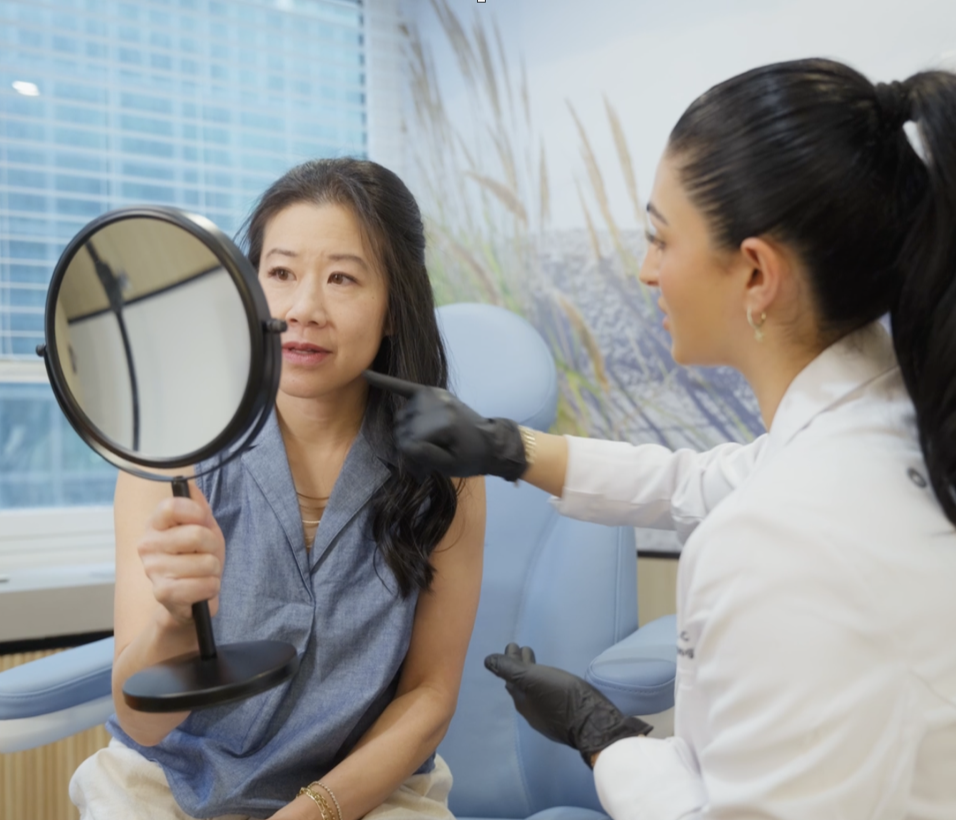
When it comes to treating uterine fibroids, women have often been faced with the choice between traditional surgical methods and newer, less invasive options. The Laam Procedure is one such innovative approach that has gained attention for its effectiveness and minimal recovery time. This article delves into a comparison between traditional methods and the Laam Procedure, providing insights into their differences, benefits, and considerations for women seeking treatment.
Traditional Methods of Fibroid Treatment
Traditional methods for treating uterine fibroids typically include:
- Hysterectomy: This involves the complete removal of the uterus and is considered a definitive solution. While effective, it is a major surgery with significant recovery time and eliminates the possibility of future pregnancies.
- Myomectomy: A surgical procedure that removes fibroids while preserving the uterus. This option is suitable for women wishing to maintain fertility, but it involves a longer recovery period.
- Uterine Artery Embolization (UAE): A less invasive procedure that blocks blood flow to fibroids, causing them to shrink. Though recovery is quicker compared to surgery, it may not be suitable for all fibroid types or sizes.
These methods have been the cornerstone of fibroid treatment for years, yet the evolution of medical technology has introduced alternatives like the Laam Procedure. Discover expert strategies here.
The Laam Procedure: A Minimally Invasive Alternative
The Laam Procedure, or Laparoscopic-Assisted Myomectomy, stands out due to its minimally invasive nature. This innovative technique offers several key benefits:
- Minimal Incisions: The procedure involves small incisions, resulting in less pain and scarring compared to traditional surgery.
- Shorter Recovery Time: Patients can typically resume normal activities much sooner, often within a week.
- Uterus Preservation: Like myomectomy, the Laam Procedure removes fibroids while preserving the uterus, maintaining fertility options for women.
To understand the specific advantages of this procedure, learn about our tailored solutions designed to meet individual needs.
Comparing Outcomes and Considerations
Effectiveness and Safety
Both traditional methods and the Laam Procedure aim to effectively treat fibroids, but their approaches and outcomes can vary:
- The Laam Procedure is associated with a lower risk of complications due to its minimally invasive nature.
- Traditional surgeries might offer more immediate results in terms of fibroid removal, but at the cost of a more extended recovery period.
Safety is paramount in any medical procedure. Hence, it is crucial to explore advanced guides and tips to make informed decisions.
Patient Experience and Recovery
The patient experience varies significantly between these treatments:
- Traditional methods often require hospital stays and longer recovery times.
- The Laam Procedure typically allows for outpatient treatment and a quicker return to daily life.
For those weighing their options, considering how each procedure aligns with personal health goals and lifestyle is essential. To make an informed choice, find out more about this approach.
Conclusion
Choosing the right treatment for uterine fibroids is a personal decision that should involve careful consideration of the benefits and limitations of each option. Traditional methods have long served many patients well, offering definitive solutions to fibroid issues. However, the Laam Procedure presents a compelling alternative with its minimal invasiveness and faster recovery times. Consulting with healthcare professionals and exploring comprehensive guides can aid in deciding the path that best aligns with individual health needs and lifestyle preferences.