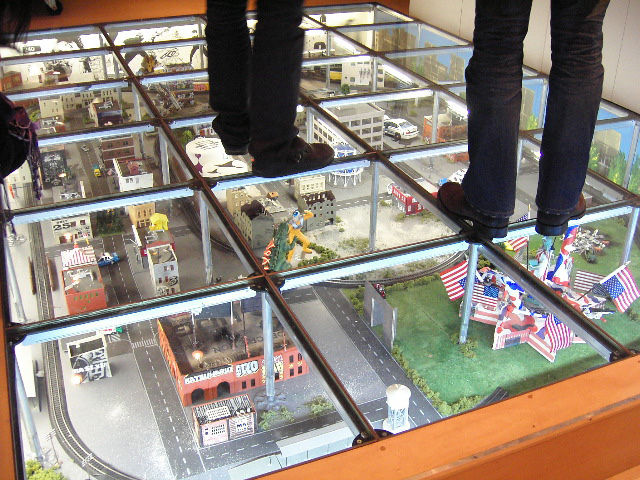
In the realm of interior design and architecture, innovation continually transforms spaces, making them more functional and aesthetically pleasing. One of the most striking modern solutions that encapsulates both beauty and utility is the installation of glass floors. These installations not only add a contemporary flair to any space but also offer practical benefits, from enhanced lighting to the illusion of expanded space. As technology and materials advance, glass flooring is becoming a popular choice among architects and homeowners aiming to elevate the ambiance and functionality of their environments.
Understanding Glass Floor Installations
Glass floor installations involve the use of specially treated glass panels that are set into flooring frameworks. This type of flooring is not only about style but also about engineering excellence. The glass used is typically toughened or laminated to ensure it can support weight and resist damage, making it a safe and durable option for both residential and commercial spaces.
Benefits of Glass Flooring
- Natural Light Enhancement: Glass floors allow natural light to filter through different levels of a building, reducing the need for artificial lighting and creating a bright, airy atmosphere.
- Spatial Illusion: The transparency of glass can make spaces appear larger and more open, providing an expansive feel without the need for additional square footage.
- Modern Aesthetic: Glass flooring adds a sleek, contemporary touch to any space, aligning with modern design trends.
- Versatility: Suitable for various settings, glass flooring can be used in offices, homes, museums, and more, showcasing its adaptability.
- Eco-Friendly Options: Many glass floors are made using recycled materials, contributing to sustainable building practices.
Considerations for Installation
When planning a glass floor installation, several factors must be taken into account to ensure both aesthetic and functional success. Selecting the right type of glass, understanding load-bearing capacities, and considering the overall design scheme are crucial steps in the planning process. For those seeking guidance, it is beneficial to discover expert strategies here to ensure the best outcomes.
Choosing the Right Glass
There are different types of glass available for flooring, including:
- Toughened Glass: Known for its strength and ability to withstand significant weight and impact.
- Laminated Glass: Offers additional safety as it holds together even when shattered, reducing the risk of injury.
Each type offers unique benefits, and selecting the right one depends on the specific needs of the space. To learn about our tailored solutions, consider consulting with experts who can provide insights based on the latest advancements in glass technology.
Maintenance and Care
Maintaining glass floors is relatively straightforward, though there are best practices to follow to ensure longevity and appearance. Regular cleaning with non-abrasive materials and solutions is essential to prevent scratches and maintain clarity. For comprehensive guidelines on preservation and care, explore advanced guides and tips.
Conclusion
Glass floor installations represent a perfect blend of form and function, offering transformative benefits to any space. Whether the goal is to enhance natural light, create a modern aesthetic, or simply innovate, this flooring option stands out as a top choice. For those ready to transform their environments, it’s advisable to find out more about this approach and consult with specialists in the field.