Recovering from injury or managing chronic pain requires more than just rest; it demands a systematic, evidence-based physiotherapy plan that addresses the root cause, promotes tissue healing, and restores functional movement. In Ottawa, physiotherapists blend clinical expertise with the latest research to create individualized treatment pathways that accelerate recovery while minimizing the risk of re-injury. This article explores the components of an expert physiotherapy treatment plan, the assessment process, and the therapeutic modalities that together support optimal outcomes for patients of all ages and activity levels.
Comprehensive Initial Assessment
The foundation of any successful treatment plan begins with a thorough evaluation. During the first session, the therapist gathers detailed information to pinpoint the underlying issues and to set realistic goals.
- Medical History Review: Past injuries, surgeries, and existing health conditions that may influence treatment.
- Movement Analysis: Observation of gait, posture, and functional tasks to identify compensatory patterns.
- Objective Measurements: Range of motion, muscle strength testing, and neuro-vascular assessments.
- Patient-Reported Outcomes: Pain scales, activity limitations, and personal recovery objectives.
These data points guide the therapist in designing a plan that aligns with the patient’s lifestyle, whether the goal is returning to a desk job, preparing for a marathon, or simply reducing everyday discomfort.
Core Elements of an Effective Treatment Plan
1. Goal-Oriented Planning
Specific, measurable, achievable, relevant, and time-bound (SMART) goals provide a clear roadmap. For example, a goal might read: “Increase knee flexion to 120° within four weeks to enable full participation in a weekly yoga class.”
2. Evidence-Based Interventions
Therapists select techniques based on the strongest clinical evidence for the presenting condition. Common interventions include:
- Manual therapy (joint mobilizations, soft-tissue techniques)
- Therapeutic exercise (strengthening, flexibility, proprioception)
- Neuromuscular re-education (balance drills, gait training)
- Modalities such as ultrasound, electrical stimulation, or cryotherapy when indicated
3. Education and Self-Management
Empowering patients with knowledge about anatomy, injury mechanisms, and activity modification is essential for long-term success. Educational resources often include home-exercise programs, ergonomic advice, and strategies for pain coping.
Integrating Technology and Modern Practices
Ottawa’s physiotherapy community embraces digital tools to enhance assessment accuracy and patient engagement. Motion-capture apps, wearable sensors, and telehealth platforms allow therapists to monitor progress remotely and adjust programs in real time. Discover expert strategies here and see how technology can streamline recovery.
Tailored Exercise Prescription
Exercise remains the cornerstone of physiotherapy. A well-designed program progresses through three phases:
- Acute Phase: Gentle range-of-motion and isometric exercises to reduce pain and swelling.
- Recovery Phase: Strengthening and endurance work targeting affected and supporting muscles.
- Functional Phase: Sport-specific or activity-specific drills that simulate real-world demands.
Each phase incorporates progressive overload, ensuring the body adapts safely without over-stress. For patients with limited access to a clinic, therapists often provide detailed home-exercise sheets and video tutorials.
Manual Therapy and Hands-On Techniques
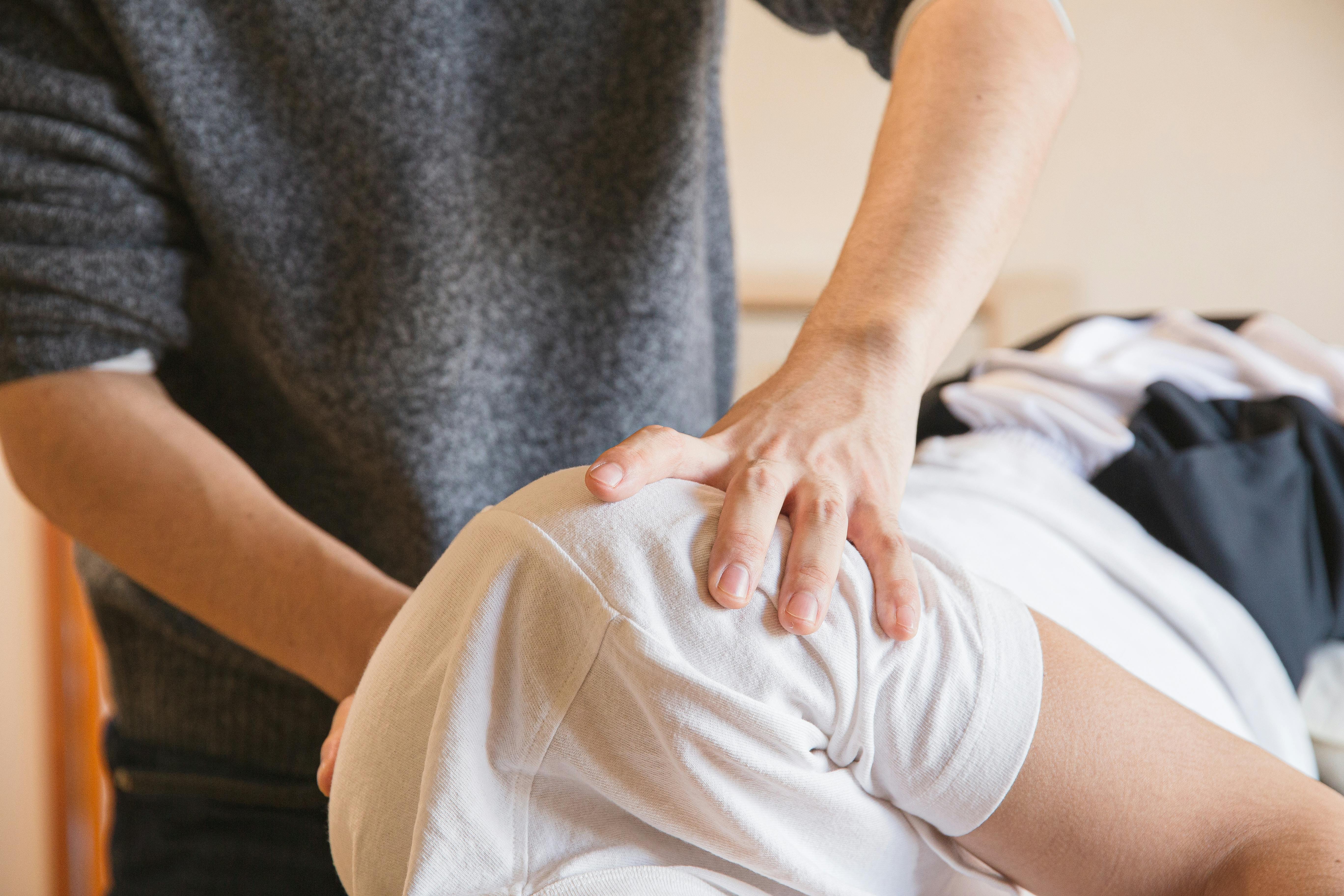
Manual therapy complements exercise by addressing joint restrictions, scar tissue, and muscular tension. Techniques such as myofascial release, trigger point therapy, and joint mobilizations can improve tissue extensibility and pain perception. When combined with active movement, these interventions accelerate neuromuscular re-training.
Monitoring Progress and Adjusting the Plan
Regular re-evaluation ensures that treatment remains aligned with evolving goals. Therapists typically reassess every 2-4 weeks, measuring changes in strength, range of motion, and functional performance. If progress stalls, the plan is modified, perhaps by increasing exercise intensity, introducing new modalities, or focusing more on patient education.
Transparent communication between therapist and patient fosters adherence. Digital progress logs and patient portals enable individuals to track milestones and stay motivated.
Holistic Considerations for Optimal Recovery
Recovery is not limited to the musculoskeletal system. Factors such as sleep quality, nutrition, stress management, and mental health significantly influence healing.
- Sleep: Aim for 7-9 hours of restorative sleep to support tissue repair.
- Nutrition: Adequate protein and anti-inflammatory foods aid muscle regeneration.
- Stress Reduction: Mindfulness and breathing exercises can lower cortisol levels, which otherwise impede recovery.
Integrating these lifestyle elements creates a comprehensive approach that maximizes outcomes.
Finding the Right Physiotherapy Partner in Ottawa
Choosing a clinic that emphasizes personalized care, continuous education, and evidence-based practice is vital. Many local providers offer multidisciplinary services, allowing seamless collaboration between physiotherapists, occupational therapists, and chiropractors.
For those seeking a deeper dive into tailored solutions, Learn about our tailored solutions provides a wealth of resources on program design, patient success stories, and the latest research in musculoskeletal health.
Conclusion
Expert physiotherapy treatment plans in Ottawa blend meticulous assessment, evidence-based interventions, technology integration, and holistic lifestyle guidance to deliver optimal recovery. By setting clear goals, employing targeted exercises and manual techniques, and continuously monitoring progress, patients can return to their desired activities faster and with greater confidence. Embracing a collaborative, patient-centered approach ensures that each individual receives the precise care needed to achieve lasting functional health.
For additional insights and advanced guides, Explore advanced guides and tips that support both clinicians and patients on the journey to full recovery.