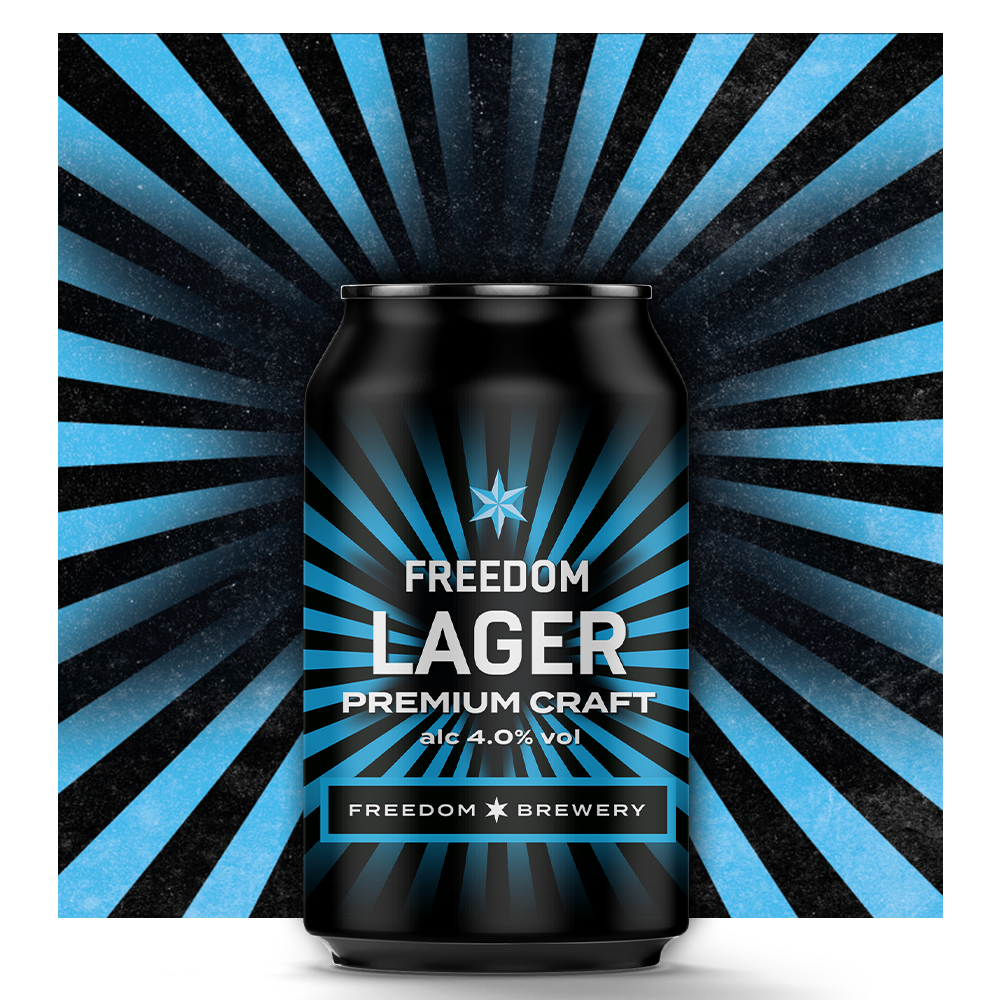
Lager cans have become increasingly popular in recent years, not only for their convenience and durability but also for their eco-friendly attributes. As consumers become more environmentally conscious, the quest for sustainable packaging solutions has led to the resurgence of aluminum cans in the beverage industry. This article delves into the eco-friendly appeal of lager cans, examining their benefits and impact on the environment.
The Environmental Benefits of Lager Cans
Aluminum cans, including lager cans, offer several environmental advantages that make them a preferred packaging choice for eco-conscious consumers and producers alike. These benefits include:
- Recyclability: Aluminum is one of the most recyclable materials available. Lager cans can be recycled indefinitely without losing quality, reducing the need for new raw materials.
- Energy Efficiency: Recycling aluminum uses 95% less energy than producing new aluminum from raw materials. This significant energy saving helps reduce the overall carbon footprint.
- Lightweight: Compared to glass bottles, aluminum cans are lighter, which means less energy is required for transportation, further lowering emissions.
- Durability: Cans are less likely to break compared to bottles, reducing waste and ensuring the product reaches the consumer in perfect condition.
Comparing Cans to Other Packaging Options
Glass Bottles vs. Aluminum Cans
While glass bottles have been a traditional choice for packaging beverages, they have several drawbacks compared to cans:
- Glass is heavier, increasing transportation costs and energy use.
- Glass is more prone to breakage, resulting in product loss and additional waste.
- Recycling glass is less energy-efficient compared to recycling aluminum.
Plastic Bottles vs. Aluminum Cans
Plastic bottles are another common packaging option, but they present significant environmental challenges:
- Plastic is derived from fossil fuels and contributes to pollution during production and after disposal.
- Recycling rates for plastic are much lower than for aluminum, leading to more waste in landfills.
- Plastic can take hundreds of years to decompose, while aluminum decomposes much faster when not recycled.
Consumer Preferences and Trends
Recent trends indicate a shift in consumer preferences towards more sustainable packaging options. This shift is influenced by several factors:
- Increased Environmental Awareness: Consumers are more informed about the environmental impact of their choices and are actively seeking sustainable options.
- Quality and Freshness: Aluminum cans provide an airtight seal, preserving the freshness and quality of the lager.
- Convenience: Cans are easy to carry, stack, and chill, making them a convenient choice for outdoor activities and events.
The Role of Breweries in Promoting Eco-Friendly Practices
Breweries are increasingly adopting eco-friendly practices to meet consumer demand and reduce their environmental impact. These practices include:
- Using Recycled Materials: Many breweries are using cans made from recycled aluminum, supporting the recycling industry and reducing waste.
- Implementing Efficient Production Processes: Breweries are investing in energy-efficient production methods to minimize their carbon footprint.
- Encouraging Recycling: Breweries are educating consumers about the importance of recycling and providing information on how to recycle their products effectively.
In conclusion, lager cans offer a compelling eco-friendly alternative to traditional beverage packaging. With their high recyclability, energy efficiency, and consumer-friendly features, they represent a significant step towards more sustainable consumption. As the world continues to grapple with environmental challenges, the choice of packaging can make a substantial difference, and lager cans are leading the way in eco-conscious innovation.