Scotch whisky is a spirit that has captured the imagination and taste buds of connoisseurs around the world. It is more than just a drink; it is a product of tradition, craftsmanship, and a rich history that dates back centuries. The allure of scotch whisky lies not only in its complex flavors but also in the fascinating tale of its origins and the meticulous processes that have been passed down through generations.
Origins of Scotch Whisky
The Early Beginnings
The history of scotch whisky can be traced back to the 15th century in Scotland. The first recorded mention of whisky production is in 1496, with a document noting the distillation of aqua vitae by friars in the Highlands. This early form of whisky was used for medicinal purposes and was quite different from the refined spirit enjoyed today.
Evolution Over Centuries
Throughout the 16th and 17th centuries, whisky production evolved significantly. Distillation techniques improved, and whisky began to be appreciated for its taste as well as its restorative properties. The introduction of the pot still and the maturation process in oak barrels were pivotal in developing the complex flavors that define modern scotch whisky.
Traditions and Craftsmanship
The Distillation Process
The craft of making scotch whisky is a time-honored tradition that involves a series of intricate steps. Key elements of this process include:
- Mashing: Barley is mashed with water to create a sugar-rich liquid known as wort.
- Fermentation: Yeast is added to the wort, converting sugars into alcohol and producing a liquid called wash.
- Distillation: The wash is distilled twice in copper pot stills, concentrating the alcohol and refining the flavors.
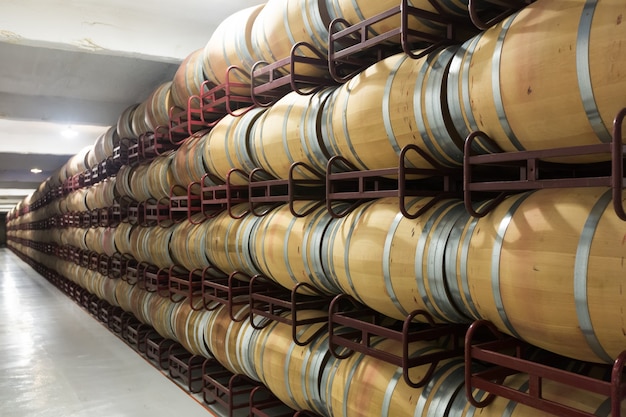
- Maturation: The spirit is aged in oak casks for a minimum of three years, allowing it to develop its distinctive character.
Regional Variations
Scotland’s diverse geography contributes to the unique characteristics of scotch whisky from different regions. Each area has its own signature style, influenced by factors like climate, water source, and local tradition.
- Speyside: Known for sweet, fruity whiskies with a hint of spice.
- Islay: Renowned for its peaty, smoky flavors.
- Highlands: Offers a wide range of styles from light and floral to rich and robust.
- Lowlands: Typically produces gentle, grassy whiskies.
The Cultural Significance of Scotch Whisky
Scotch whisky is deeply embedded in Scottish culture and heritage. It is not just a drink but a symbol of national pride and identity. This cultural significance is celebrated through various festivals and events that attract enthusiasts from across the globe.
Global Influence
While scotch whisky has its roots in Scotland, its influence is global. The spirit is enjoyed by millions worldwide, and its production techniques have inspired other whisky-producing countries. The passion for scotch whisky cements its status as a timeless classic in the world of spirits.
In conclusion, the history of scotch whisky is a testament to the enduring appeal of this storied spirit. From its humble beginnings in the Scottish Highlands to its status as a globally revered drink, scotch whisky continues to captivate and delight those who appreciate the art of fine spirits.