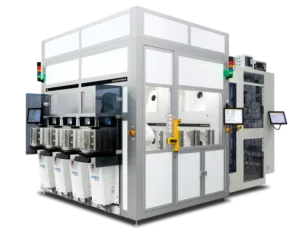
In the constantly evolving landscape of semiconductor manufacturing, the precision and efficiency of each step in the production process are paramount. One critical aspect that significantly influences yield and performance is the drying process. Industrial drying solutions play a pivotal role in ensuring that components are free from moisture and contamination, which can affect the quality and reliability of semiconductor devices. This article explores various industrial drying solutions tailored for the unique demands of semiconductor manufacturing, emphasizing the importance of selecting the right technology to optimize production outcomes.
Understanding the Importance of Drying in Semiconductor Manufacturing
In the semiconductor industry, drying is not merely a routine step; it is a critical process that requires precision and consistency. The presence of residual moisture can lead to:
- Contamination of semiconductor wafers
- Defects in the microchip structure
- Potential failures in electronic components
Given these challenges, manufacturers must implement effective drying solutions to maintain quality control and enhance product reliability.
Types of Industrial Drying Solutions
Vacuum Drying
Vacuum drying is a technique that utilizes reduced pressure to lower the boiling point of water, facilitating faster and more efficient drying. This method is particularly beneficial for:
- Delicate semiconductor components that require gentle handling
- Minimizing thermal stress during the drying process
- Ensuring uniform moisture removal across surfaces
Learn about our tailored solutions to enhance drying efficiency with vacuum technology.
Convection Drying
Convection drying employs the transfer of heat through the circulation of air or gas. This method is effective for:
- Large-scale drying applications
- Reducing energy consumption through optimized airflow systems
- Ensuring consistent drying across batches
Explore advanced guides and tips on optimizing convection drying for semiconductor applications.
Factors to Consider When Choosing a Drying Solution
When selecting an industrial drying solution, it is crucial to consider the following factors:
- Material Compatibility: Ensure the drying process is suitable for the materials involved in semiconductor manufacturing.
- Process Efficiency: Evaluate the drying speed and energy consumption to optimize cost-effectiveness.
- Scalability: Consider solutions that can adapt to varying production volumes and future growth.
- Contamination Control: Implement systems that minimize particulate contamination during drying.
Manufacturers can find out more about this approach by consulting with industry experts and leveraging advanced technologies tailored to their specific needs.
Innovations in Drying Technology
Recent advancements in drying technology have introduced innovative solutions that enhance semiconductor manufacturing processes. These include:
- Infrared Drying: Utilizes infrared radiation to efficiently remove moisture without excessive heat exposure.
- Ultrasonic Drying: Employs high-frequency sound waves to dislodge water molecules, reducing drying time.
- Hybrid Systems: Combines multiple drying technologies to achieve optimal results for complex manufacturing requirements.
Manufacturers looking to stay ahead in the competitive semiconductor market can discover expert strategies here for integrating these innovations into their production lines.
Conclusion
The success of semiconductor manufacturing heavily relies on the efficiency and reliability of industrial drying solutions. By understanding the various drying techniques and considering key factors in their selection, manufacturers can significantly enhance their production processes, ensuring high-quality, dependable semiconductor devices. For further insights and expert advice on implementing effective drying solutions, manufacturers are encouraged to explore advanced guides and tips available through industry resources.