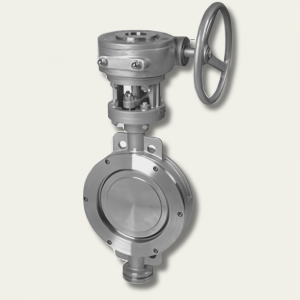
Butterfly valves are pivotal components in various industrial applications, providing reliable flow control and efficient shut-off capabilities. Selecting the right butterfly valve is crucial to ensuring optimal performance, safety, and cost-effectiveness in any system. This article delves into the essential features to consider when choosing butterfly valves, providing insights to guide decision-makers in selecting the most suitable options for their specific needs.
Material Selection
The choice of material for butterfly valves is critical as it directly impacts the valve’s durability, compatibility with the media, and overall performance. Common materials include:
- Body Materials: Cast iron, ductile iron, stainless steel, and carbon steel are frequently used, each offering distinct benefits in terms of strength and corrosion resistance.
- Disc Materials: Often constructed from stainless steel, aluminum-bronze, or nickel-alloy, the disc material must withstand the media’s pressure and temperature.
- Seat Materials: Options like EPDM, NBR, or PTFE provide varying degrees of chemical resistance and temperature tolerance.
Understanding the application’s environmental and operational conditions is essential to select the appropriate materials. Learn about our tailored solutions for diverse industrial requirements.
Valve Design Types
Butterfly valves come in various design types, each offering unique advantages:
- Concentric Butterfly Valves: These are economical and suitable for low-pressure applications, where the disc is positioned in the center of the pipe.
- Double Eccentric (High-Performance) Valves: Known for better sealing capabilities, these are ideal for higher pressure and temperature conditions.
- Triple Eccentric (Triple Offset) Valves: Offering zero leakage performance, these are perfect for critical applications requiring high reliability.
Choosing the right design type enhances operational efficiency. Explore advanced guides and tips to understand the specific benefits of each design.
Size and Pressure Rating
The valve size and pressure rating are integral to its functionality, ensuring it can handle the flow volume and system pressure effectively. Considerations include:
- Size: Valves must match the diameter of the piping system to maintain flow integrity and prevent pressure drops.
- Pressure Rating: This indicates the maximum pressure the valve can withstand. Ensure the valve’s rating aligns with the system’s operational pressures.
Accurate sizing and pressure rating are fundamental for system safety and efficiency. Find out more about this approach to ensure optimal valve selection.
Actuation Method
The actuation method impacts the valve’s control and automation capabilities. Options include:
- Manual Actuation: Simple and cost-effective, suitable for applications where automation is not required.
- Electric Actuation: Offers precise control and integration with automated systems, ideal for remote operations.
- Pneumatic Actuation: Provides rapid operation and is often used in environments where electricity poses a risk.
Choosing the appropriate actuation method enhances operational control and efficiency. Discover expert strategies here to align actuation methods with operational requirements.
Maintenance and Longevity
Regular maintenance and the valve’s lifespan are crucial factors affecting long-term operational costs and reliability:
- Opt for valves with easily replaceable parts to minimize downtime and maintenance costs.
- Consider valves with self-lubricating features to reduce wear and extend service life.
- Evaluate manufacturers’ warranties and service support options.
Ensuring ease of maintenance and long-term durability is vital for sustainable operations. Explore advanced guides and tips on maintaining butterfly valves efficiently.