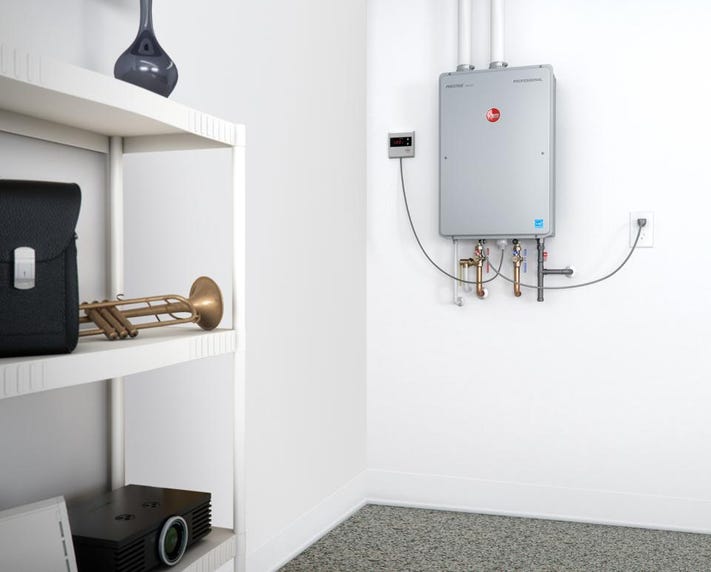
In today’s world, optimizing living spaces while conserving energy is a priority for many homeowners. One effective solution gaining popularity is the installation of a tankless water heater. These innovative devices offer a range of benefits, from saving space to reducing energy consumption, making them an attractive option for modern households. Understanding how a tankless water heater operates and the advantages it brings can help homeowners make informed decisions about their water heating needs.
Understanding Tankless Water Heaters
Tankless water heaters, also known as on-demand or instantaneous water heaters, heat water directly without the use of a storage tank. When a hot water tap is turned on, cold water travels through a pipe into the unit. Either a gas burner or an electric element heats the water, resulting in a constant supply of hot water. This eliminates the need to wait for a storage tank to fill up with enough hot water.
Benefits of Tankless Water Heaters
- Space Efficiency: Without the need for a bulky tank, these water heaters can be mounted on walls, freeing up valuable floor space.
- Energy Savings: Since water is heated only when needed, energy consumption is significantly reduced compared to traditional water heaters.
- Longevity: Tankless models generally have a longer lifespan, often lasting up to 20 years with proper maintenance.
- Continuous Hot Water Supply: Unlike tank-based systems, tankless heaters provide a constant stream of hot water without running out.
Maximizing Space with Tankless Water Heaters
One of the most significant advantages of a tankless water heater is its compact design, which is especially beneficial for homes with limited space. Traditional water heaters can take up substantial room, often requiring a dedicated area in basements or utility closets. In contrast, tankless models can be installed in various locations, such as:
- Laundry rooms
- Bathrooms
- Closets
- Garage walls
The flexibility in installation not only maximizes usable space but also allows for strategic placement closer to water outlets, reducing water delivery time and conserving energy.
Energy Efficiency and Environmental Impact
The move towards energy efficiency is a key driver for many homeowners considering a tankless water heater. By heating water only when necessary, these systems reduce standby energy loss prevalent in tank-based heaters. This efficiency translates into lower utility bills and a smaller carbon footprint. Here are some additional points to consider:
- Reduced Greenhouse Gas Emissions: Lower energy use directly contributes to fewer emissions.
- Potential for Energy Rebates: Some regions offer incentives for energy-efficient home upgrades, including tankless water heaters.
For those interested in tankless water heater options, it’s advisable to explore models that meet the specific demands of their household, ensuring optimal performance and efficiency gains.
Considerations Before Installation
While the advantages of tankless water heaters are clear, there are some considerations to keep in mind before installation:
- Initial Cost: The upfront investment for a tankless system can be higher than traditional water heaters. However, the long-term savings often justify the cost.
- Installation Requirements: Professional installation is recommended to ensure safety and efficiency, especially for gas-powered models.
- Flow Rate: It’s important to choose a unit that can handle the peak demand of the household to ensure a steady supply of hot water.
Ultimately, the decision to switch to a tankless water heater should be based on individual needs, budget, and long-term goals for energy efficiency and space utilization.
By understanding the functionality and benefits of tankless water heaters, homeowners can make informed choices that align with their lifestyle and sustainability goals, paving the way for a more energy-efficient future.