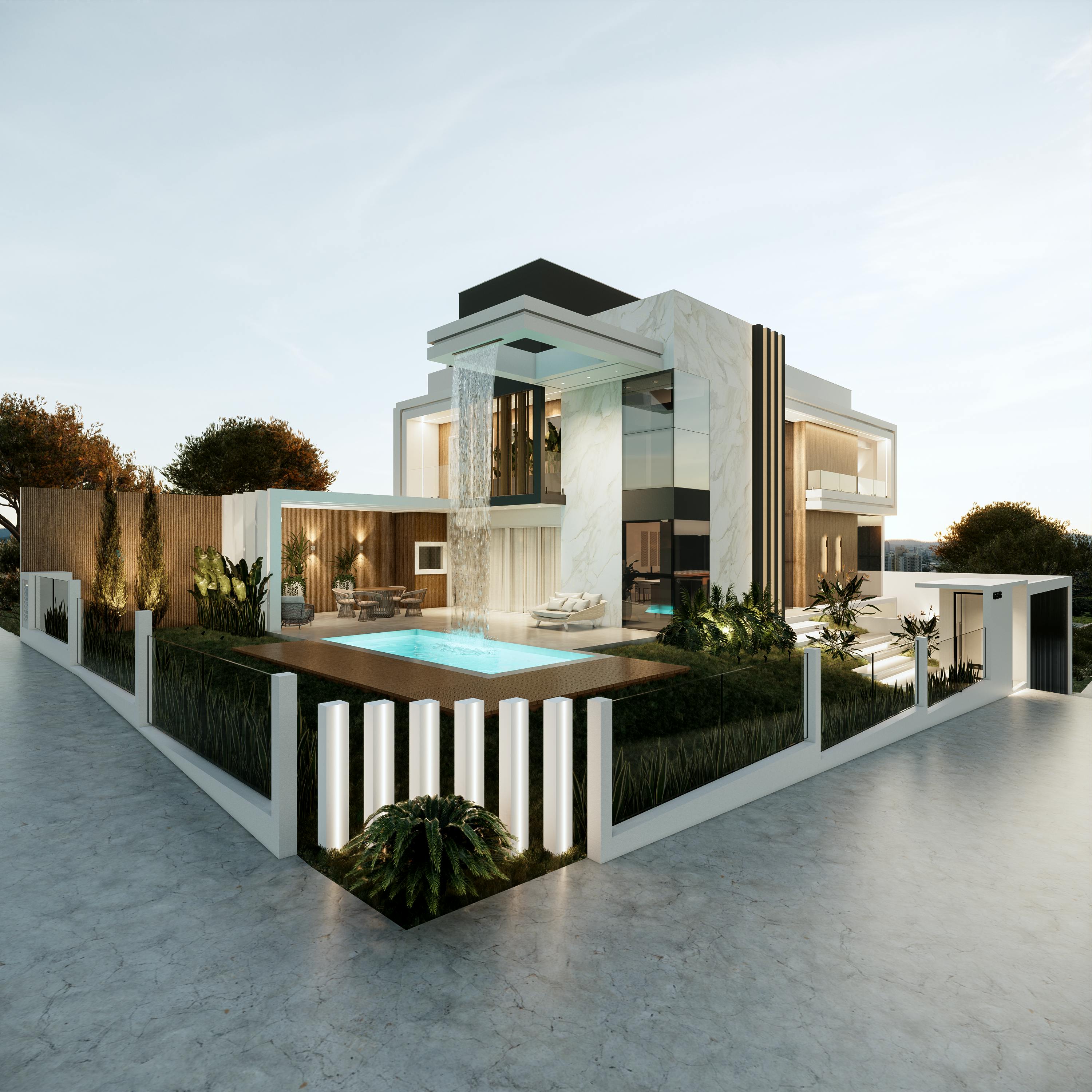
Refined residential living encompasses more than just a place to reside; it is an experience of comfort, style, and personalization. In today’s world, where homes have become the epicenter of personal and professional life, achieving high-quality living standards is paramount. The art of crafting such homes is a testament to thoughtful design and meticulous planning. This article delves into the essence of refined living spaces, highlighting the architectural and design philosophy that sets them apart.
Understanding Refined Living Spaces
Refined residential living spaces are characterized by their attention to detail, functional aesthetics, and seamless integration with their surroundings. These homes are designed not just to meet current needs but to anticipate future ones, ensuring sustainability and timeless appeal.
Key Elements of Refined Residential Design
Creating a refined living space involves several critical elements that enhance both functionality and visual appeal:
- Architectural Cohesion: A unified design language that harmonizes with the environment.
- Quality Materials: Use of durable, high-quality materials that enhance the longevity and aesthetic of the home.
- Innovative Technology: Integration of smart home technologies to enhance convenience and energy efficiency.
- Personalized Spaces: Customizable designs that reflect the homeowner’s personal style and preferences.
Design Philosophy: Blending Tradition with Innovation
The philosophy behind refined residential living involves a delicate balance between traditional elements and modern innovations. This approach ensures that homes do not just follow trends but set them, offering a unique blend of classic elegance and contemporary functionality.
For those interested in understanding the depth of this design philosophy, explore further insights here.
The Role of Sustainability in Modern Design
Sustainability is a cornerstone of refined residential living. As environmental concerns grow, integrating eco-friendly practices into home design is not just beneficial but necessary. Sustainable design involves:
- Energy Efficiency: Utilizing design elements and appliances that reduce energy consumption.
- Resource Management: Incorporating water-saving fixtures and sustainable building materials.
- Environmental Harmony: Designing homes that minimize ecological impact and blend seamlessly with their natural surroundings.
For more on how sustainability shapes modern homes, read more about this topic.
Creating Personalized Living Experiences
Personalization in home design allows homeowners to create spaces that truly reflect their lifestyle and preferences. This involves:
- Flexible Floor Plans: Designing adaptable spaces that cater to changing needs over time.
- Unique Interior Design: Customizing interiors with bespoke furnishings and finishes.
- Outdoor Integration: Creating seamless transitions between indoor and outdoor spaces.
To gain insights into how personalized design enhances living experiences, find additional information here.
Conclusion
Refined residential living is an art form that combines meticulous design, innovative technology, and sustainable practices to create homes that are not only beautiful but also functional and enduring. As the demand for high-quality living spaces continues to rise, the principles of refined residential design will remain pivotal in shaping the future of home construction. For a deeper dive into the principles and practices shaping modern homes, learn more in this detailed guide.