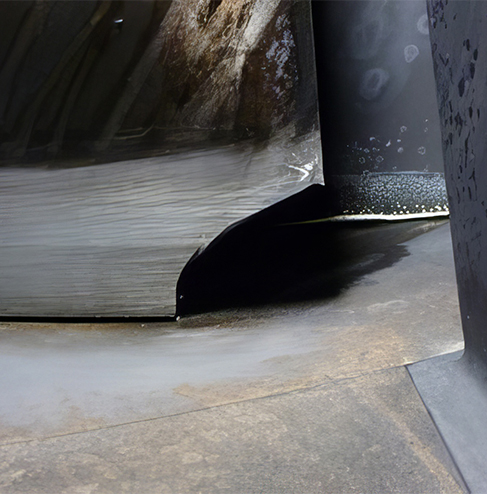
In the rapidly evolving world of power generation, maintaining the integrity and efficiency of equipment is crucial. Non-destructive testing (NDT) has become an indispensable part of maintenance protocols, particularly in power plant borescope inspections. By allowing for comprehensive evaluation without causing damage to components, NDT plays a vital role in ensuring both operational efficiency and safety. This article delves into the significance of non-destructive testing in the context of power plant borescope inspections, highlighting its advantages and the methodologies employed.
Understanding Non-Destructive Testing
Non-destructive testing refers to a suite of analysis techniques used to evaluate the properties of a material, component, or system without causing damage. It ensures that components can be inspected and measured without sacrificing future usability, making it ideal for critical infrastructure such as power plants.
Key Methods of Non-Destructive Testing
- Visual Inspection: The simplest form of NDT, visual inspection, involves examining components for surface defects. It is often the first step in a comprehensive inspection process.
- Ultrasonic Testing: Uses high-frequency sound waves to detect internal flaws or to characterize materials. This method is highly effective in identifying inconsistencies within a component.
- Magnetic Particle Testing: Ideal for identifying surface and slightly subsurface defects in ferromagnetic materials. It involves the application of magnetic fields to detect irregularities.
- Radiographic Testing: Employs X-rays or gamma rays to view the internal structure of a component, similar to a medical X-ray.
- Liquid Penetrant Testing: Involves applying a liquid with high surface wetting characteristics to the surface of a component, identifying surface-breaking defects by bleed-out of the penetrant.
These methods, among others, provide a comprehensive approach to ensuring component integrity without causing wear or damage. Learn about our tailored solutions for effective implementation of these methods in power plant settings.
The Role of Borescope Inspections
Borescope inspections are pivotal in power plants for assessing the condition of internal components that are otherwise inaccessible. This technique involves inserting a small camera into machinery, providing detailed visual feedback. When integrated with non-destructive testing, borescope inspections become a potent tool for maintenance and safety.
Advantages of Borescope Inspections
- Minimized Downtime: Borescope inspections significantly reduce the time required for inspections, allowing for faster turnaround times in maintenance schedules.
- Enhanced Safety: By enabling inspections without disassembly, the risks associated with exposing personnel to hazardous environments are minimized.
- Cost-Effectiveness: With reduced need for component disassembly and reassembly, costs associated with labor and component wear are decreased.
For those interested in strengthening their inspection protocols, borescope inspections offer a pathway to increased efficiency. Explore advanced guides and tips to optimize inspection processes.
Integrating NDT with Borescope Inspections
The synergy between non-destructive testing and borescope inspections results in a comprehensive, non-invasive approach to maintenance. This integration enhances the ability to detect and address potential issues before they escalate into significant problems.
By leveraging these technologies, power plants can achieve:
- Improved Reliability: Early detection of flaws leads to proactive maintenance, reducing the likelihood of unexpected failures.
- Prolonged Equipment Life: Regular inspections and maintenance ensure that equipment continues to operate at peak efficiency over its lifespan.
- Regulatory Compliance: Adhering to industry standards and regulations is simplified through thorough and regular inspections.
To maintain an edge in operational efficiency, integrating these techniques is essential. Discover expert strategies here for seamless integration of NDT with borescope inspections.
Overall, non-destructive testing and borescope inspections form the backbone of modern power plant maintenance strategies. By prioritizing these approaches, power generation facilities can ensure safe, efficient, and reliable operations, effectively meeting the demands of today?s energy sector. Find out more about this approach to enhance maintenance protocols and ensure sustainable power plant operations.